

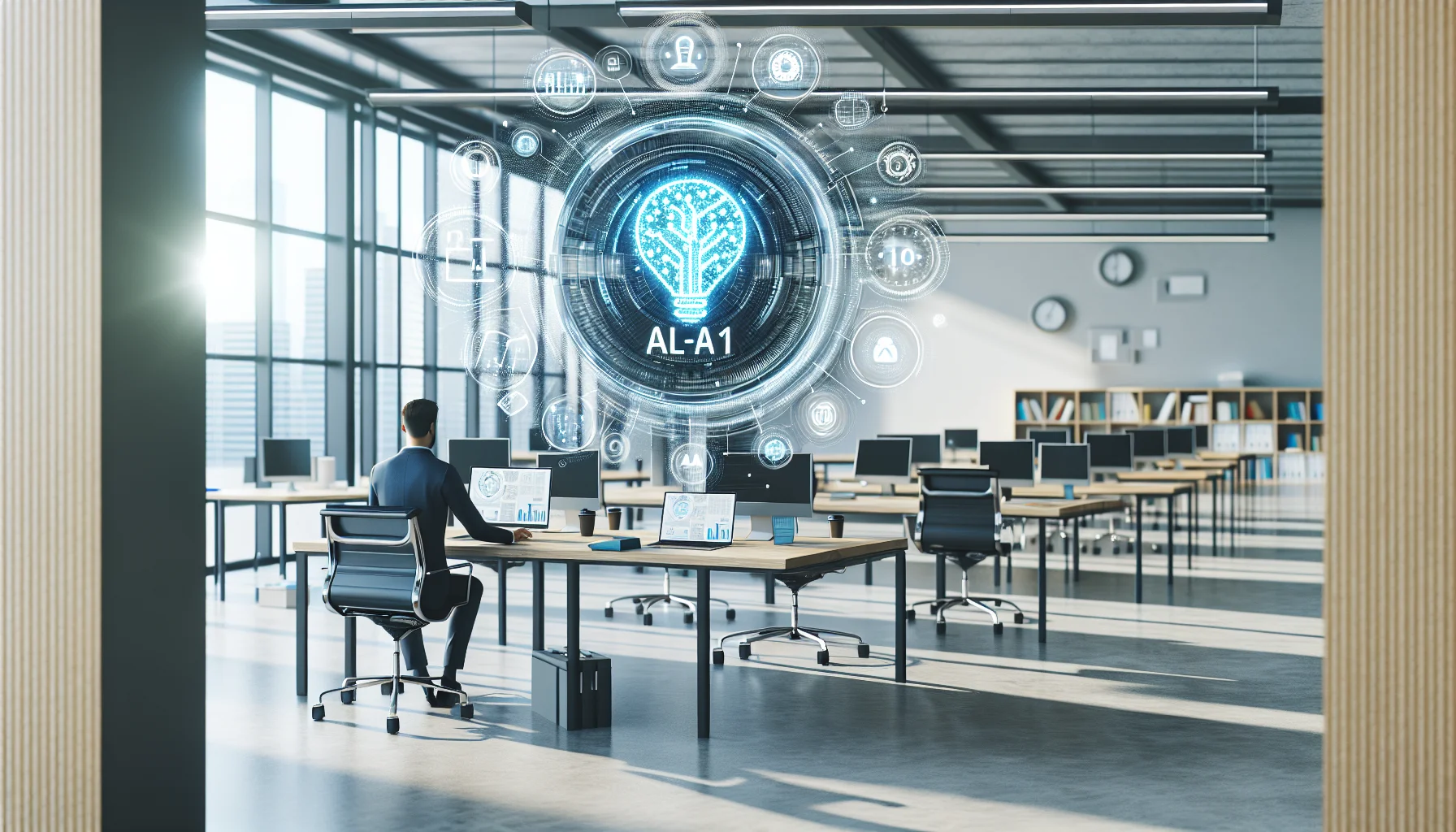
AI LMS platforms combine adaptive learning, learning analytics AI, and workflow integration to deliver personalized eLearning that reduces ramp time, improves retention, and aligns training to business outcomes. Implement via discovery, pilot, scale, and optimize—prioritize KPIs, data readiness, governance, and a focused 90-day pilot to validate impact.
AI LMS platforms are reshaping how organizations deliver training and develop skills. In the first 60 words we establish that an AI LMS is more than automation: it combines adaptive learning, learning analytics AI, and content orchestration to create truly personalized eLearning journeys. In our experience, the biggest gains come when technology is applied to real workflow problems—reducing time-to-competency, improving retention, and aligning learning to business outcomes.
An AI LMS embeds intelligence at multiple layers: learner profiling, content recommendation, performance prediction, and automation of administrative tasks. Instead of a single course assigned to every employee, systems use adaptive learning algorithms to tailor pathways based on prior knowledge, role, and performance signals.
We've found that three capabilities deliver the largest ROI: precise personalization, real-time diagnostics, and workflow integration. Personalization reduces wasted learning time; diagnostics spot learners at risk; and integration delivers training at the moment of need. Together, these create a continuous learning loop rather than discrete training events.
Traditional LMS platforms focus on content delivery and compliance tracking. An AI LMS adds pattern recognition and prediction: it analyzes behavior across courses, flags knowledge gaps, and suggests microlearning or coaching interventions. Studies show organizations using analytics-driven learning reduce onboarding time by significant margins when the system surfaces the exact skills required for a role.
Common approaches include clustering learners, sequence modeling to predict drop-off, and recommendation engines that match content to micro-skills. Natural language processing (NLP) extracts meaning from assessments and forums to enrich learner profiles. These capabilities let the AI LMS recommend not just courses, but precise activities and mentors.
Adaptive learning and personalized eLearning are often used interchangeably, but they address different problems. Adaptive learning adapts the path and content in real time based on responses; personalized eLearning aligns content to career goals and past performance. An effective AI LMS integrates both to create a coherent learner experience.
We’ve implemented adaptive sequences that dynamically adjust difficulty and pacing. This reduced redundant training for experienced learners and provided scaffolded support for novices. The result: measurable improvement in assessment scores and reduced course completion time.
Adaptive systems provide immediate remediation and challenge when needed. That targeted intervention increases knowledge retention and prevents boredom. Practical tactics include branching assessments, micro-assessments after each module, and spaced repetition—all orchestrated by the AI layer in the AI LMS.
Personalization surfaces learning pathways based on role profiles, skill gaps, and career aspirations. Learners receive curated microlearning, on-the-job prompts, and suggested mentors. This approach reduces cognitive overload and aligns training investments with business priorities.
Learning analytics AI turns disparate data—assessment scores, activity logs, application performance—into actionable insights. An AI LMS correlates learning behaviors with on-the-job metrics to quantify impact: faster certifications, fewer errors, and better compliance posture.
We've found that leaders who define clear success metrics (time-to-proficiency, error rates, internal mobility) unlock the true value of analytics. Without defined KPIs, analytics become descriptive rather than prescriptive.
Start with baseline measures and pilot groups. Use the AI LMS to run A/B tests on content formats and pathways. Measure downstream outcomes—productivity, retention, sales performance—and assign conservative values to improvements to build a business case.
Predictive models in an AI LMS forecast learners likely to disengage or fail. These predictions trigger interventions—coaching, alternate content, or manager alerts—before issues escalate. Predictive analytics moves L&D from reactive reporting to proactive talent development.
Different industries emphasize different capabilities of an AI LMS. In healthcare, precision and compliance matter; in finance, fraud-prevention workflows and certification speed are critical; in manufacturing, on-the-floor skills and safety training require context-aware delivery.
For example, a hospital used an AI LMS to reduce medication errors by combining microlearning with real-time simulation feedback; learners received targeted refreshers when analytics flagged risky competencies. In finance, a bank used predictive models to identify advisors needing ethical decision-making refreshers ahead of audits.
Practical platforms demonstrate these patterns—content recommended at the point of need, embedded assessments, and manager dashboards for skill pipelines (available in platforms like Upscend). This illustrates how emerging tools pair adaptability with enterprise controls to support regulated industries.
First, a manufacturing plant implemented an AI LMS that used sensor-driven training prompts to reduce machine downtime by training staff on specific procedures when anomalies occurred. Second, a retail chain personalized onboarding via AI recommendations, cutting new-hire ramp time by weeks.
Common priorities include compliance reporting, role-based content, and offline/mobile access for frontline workers. An AI LMS with robust offline capability and edge analytics supports sectors where connectivity is intermittent, preserving personalization and analytics continuity.
Adopting an AI LMS requires a structured approach. We've found a staged rollout reduces risk and maximizes adoption. The framework below translates strategy into execution.
Key phases are discovery, pilot, scale, and optimization. Discovery maps skills and success metrics. Pilot validates models and user experience with real cohorts. Scale expands to business-wide populations and integrates with HR systems. Optimization refines models with longitudinal data.
Prepare by standardizing skill taxonomies and mapping content to discrete competencies. Clean, labeled data improves model performance. In our experience, investing in content tagging and metadata yields outsized returns once the AI LMS is live.
Implementing an AI LMS is not without risk. Common issues include biased recommendations, opaque models, and weak privacy controls. Address these proactively with governance frameworks and transparent communication to learners and managers.
We recommend routine audits of model outputs, human-in-the-loop controls for critical decisions, and clear data retention policies. A pattern we've noticed: organizations that treat model explanations as part of the learner experience achieve higher trust and adoption.
Essential governance includes bias testing, access controls, and a documented feedback loop. Ensure managers can override recommendations and that the system logs rationale for high-impact suggestions. These controls turn the AI LMS into an assistive system rather than an opaque arbiter.
Avoid over-automation: preserve human judgment for coaching and career decisions. Don't start with enterprise-wide deployment—pilot, measure, and adapt. Finally, invest in change management: learners need context on why recommendations appear and how to act on them.
AI LMS platforms are maturing into strategic tools for learning and skills personalization. When implemented with clear metrics, governance, and human oversight, an AI LMS accelerates skill development, improves retention, and aligns learning to business outcomes. We've found that measured pilots and iterative scaling produce the best results.
To move forward: map your critical skills, define two measurable pilot goals, and select partner platforms that support transparent analytics and adaptive pathways. Consider running a 90-day pilot focused on a single role to validate impact before scaling.
Call to action: Start by identifying one high-impact role to pilot an AI-driven pathway, define success metrics, and run a focused 90-day experiment to measure how an AI LMS improves competency and business outcomes.
The Upscend Team provides actionable insights on technology and business strategy.
Book a walkthrough and we'll show you how it applies to your own content.
 L&D
L&DDecember 21, 2025
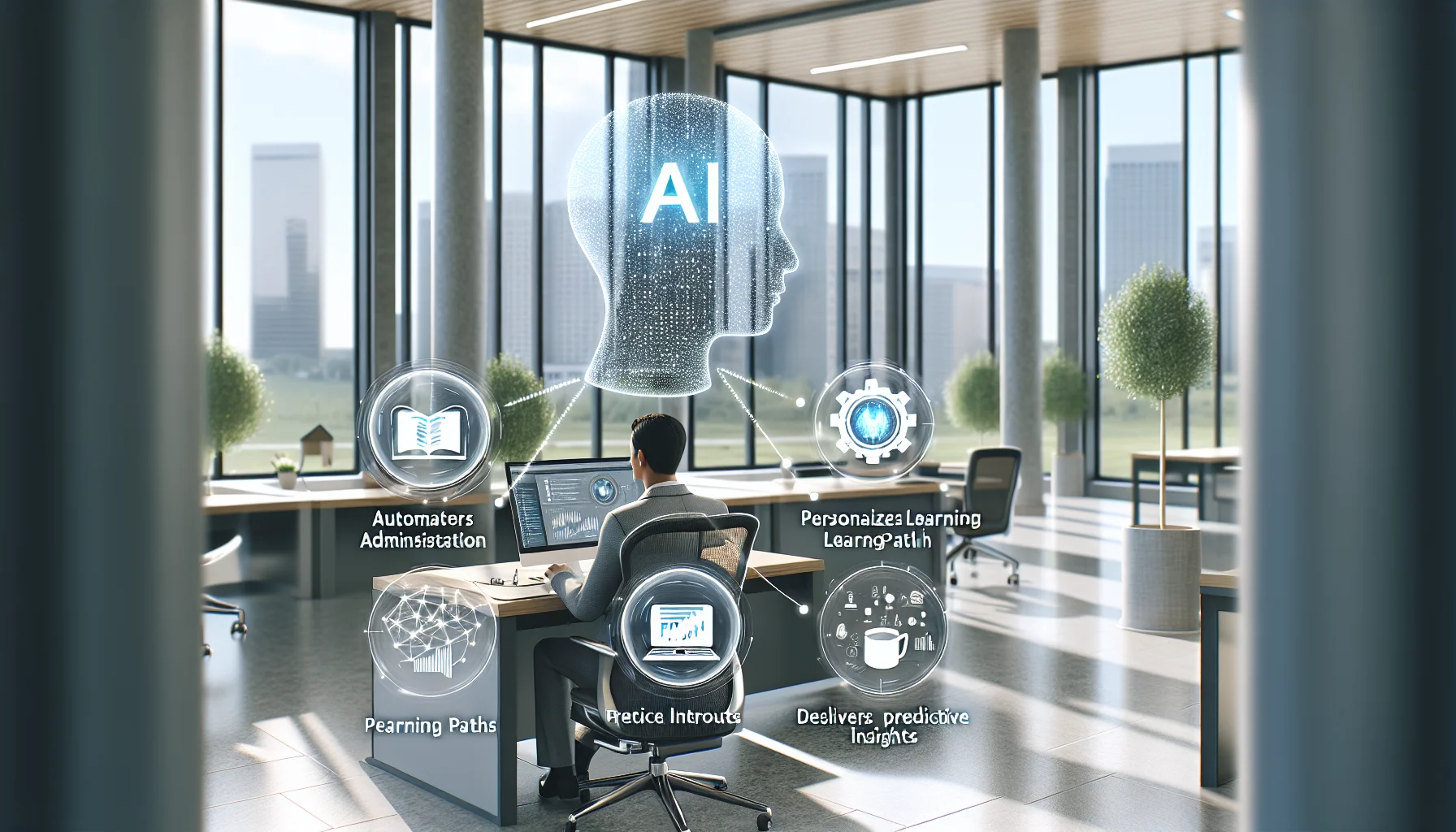
AI in LMS automates administration, personalizes learning paths, and delivers predictive insights to improve completion and skill transfer. This article explains adaptive learning mechanics, concrete AI features, a four-step implementation framework, measurement metrics, and governance practices to pilot safely and demonstrate ROI for learning programs.
 Lms
LmsDecember 23, 2025
AI-driven adaptive learning in LMS platforms personalizes content by combining diagnostics, predictive models, and business rules to recommend microlearning, quizzes, or coaching. Teams see faster proficiency, higher engagement, and data-driven insights. Start with a narrow 90-day pilot, ensure data hygiene, and maintain human oversight for high-stakes decisions.
 General
December 23, 2025
AI in LMS combines recommendation engines, auto-tagging, auto-assessment, and on-demand content generation to reduce admin work and accelerate skill development. Start with lifecycle automation and short pilots, measure time-to-competency and completion rates, and enforce governance for bias, transparency, and auditability to scale personalized learning effectively.
 Lms
LmsDecember 23, 2025
This article explains how ai personalization lms uses adaptive learning algorithms and recommendation engines to tailor content, increase engagement, and shorten time-to-competency. It outlines practical design steps, implementation checklists, common pitfalls with mitigations, and a measurement framework. Readers get immediate actions—pilot, tagging standard, and a KPI-linked dashboard—to start testing.