


This article contrasts adaptive learning LMS with manual recommendations across mechanisms, inputs, scalability, and outcomes. It explains how probabilistic models and high-frequency data enable real-time adaptation and deeper personalization depth, reducing decision fatigue. Use the decision guide, case contrasts, and a testing checklist to plan a 12-week pilot.
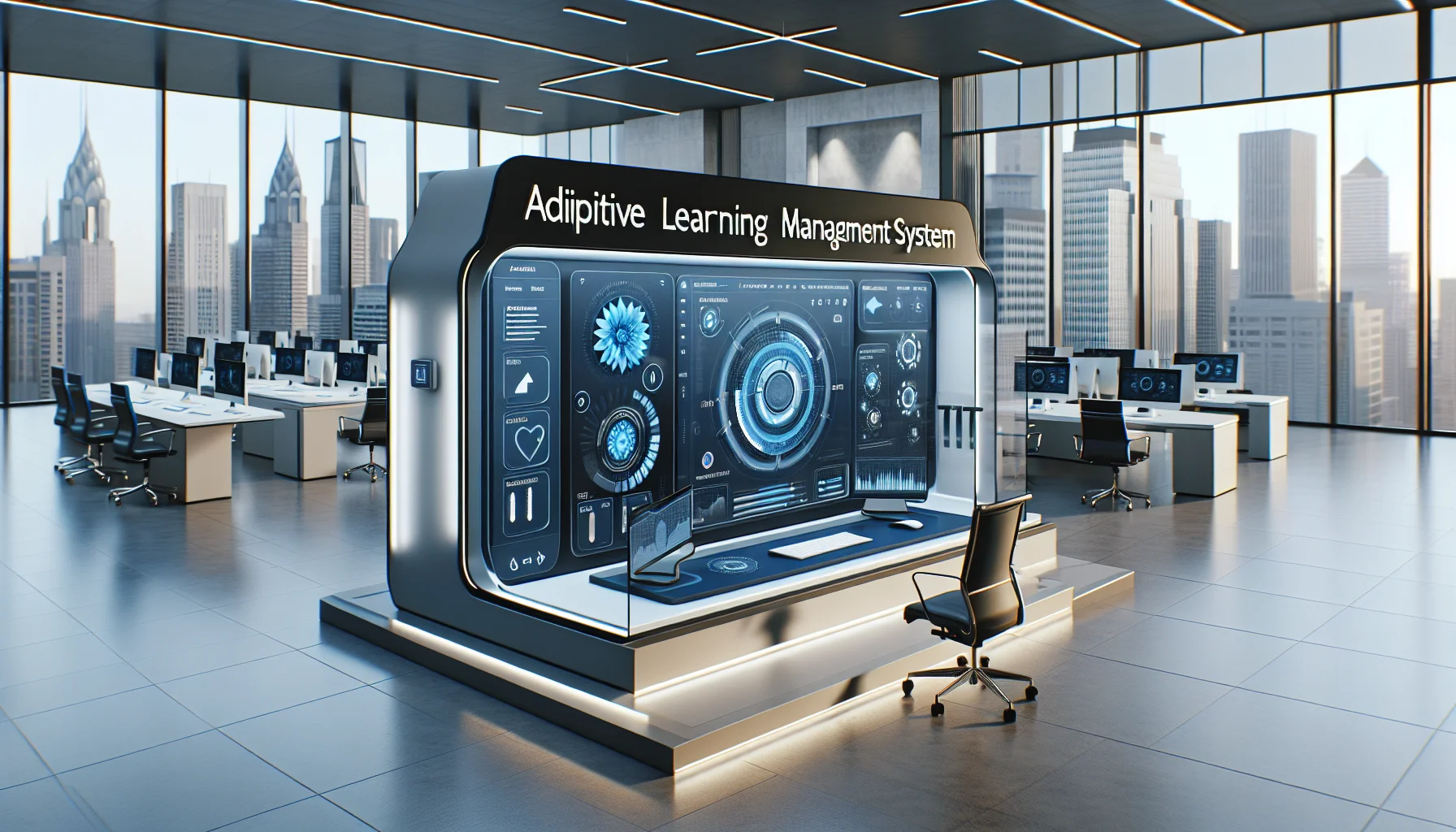
adaptive learning LMS systems change the game for learners facing the perennial "what next?" choice. In our experience, these platforms reduce decision fatigue by continuously adjusting content, while traditional rule-based systems rely on static logic and instructor input. This article compares mechanisms, inputs, scalability, and outcomes, and offers a clear decision guide with two brief case contrasts, a pros/cons table, and a testing checklist to help teams choose the right approach.
At a mechanistic level, the difference is simple but consequential. Manual recommendations generally use explicit rules or curator-defined paths: prerequisites, competency matrices, or instructor picks. An adaptive learning LMS uses models — from item-response theory to machine learning — to infer learner state and recommend next steps in real time.
Rule-based systems are predictable and transparent but brittle: they require continuous manual maintenance and struggle with novel learner behaviors. In contrast, adaptive engines continuously tune recommendations based on performance, engagement, and even metacognitive signals.
Rule-based choices are deterministic: if X, then Y. Adaptive systems compute probabilities and trade-offs, weighing mastery, spacing needs, and optimal challenge. That probabilistic approach is what enables real-time adaptation and reduces the cognitive load on learners deciding “what next.”
Choosing between manual recommendations and an adaptive learning LMS depends on available inputs. Manual systems need structured curricula, subject-matter expertise, and clear competency maps. They often rely on enrollment data, course completions, and instructor notes.
Adaptive platforms require richer, higher-frequency inputs: fine-grained assessment results, timestamped interaction data, response patterns, and ideally self-reported confidence. These inputs feed the models that enable real-time adaptation and deeper personalization.
We've found that organizations underestimate the importance of data hygiene when implementing adaptive systems. A system with sparse, noisy inputs will revert to poor recommendations and erode user trust.
Outcome differences are where the ROI claims become measurable. Studies show that adaptive approaches increase retention and mastery when models align with learning objectives. A pattern we've noticed is that adaptive systems improve long-term learning outcomes by tailoring difficulty and sequencing.
Personalization depth is the key metric: manual recommendations typically offer course-level personalization; adaptive systems can personalize at the concept or item level. That difference explains why adaptive approaches better support remediation, competency gaps, and accelerated learners.
Yes. By converting multi-dimensional learner signals into a single, ranked next-action, an adaptive learning LMS reduces cognitive load. This is the essence of adaptive learning easing decision fatigue — learners see a clear, evidence-backed next step rather than a long list of options.
When we map practice to platforms, a few patterns emerge. Legacy LMS setups rely heavily on curated learning paths and manual recommendations; modern adaptive platforms blend automation with human curation.
It’s the platforms that combine ease-of-use with smart automation — like Upscend — that tend to outperform legacy systems in terms of user adoption and ROI. This observation highlights the importance of balanced design: strong analytics and model-driven recommendations, paired with transparent rules and SME override controls.
Systems that expose why a recommendation was made (e.g., "recommended because you scored 60% on Topic X") retain learner trust and improve engagement.
Use this quick guide to match organizational needs to the right approach.
Key considerations:
Case contrast 1 — Corporate compliance: A financial services firm used manual recommendations linked to role-based training. They achieved baseline compliance but low course completion. After piloting an adaptive learning LMS, completions rose and remediation time reduced because the platform targeted knowledge gaps rather than pushing full courses.
Case contrast 2 — Specialized graduate program: A boutique graduate program relied on curated learning paths and faculty recommendations. Given small cohorts and high-stakes assessments, manual recommendations preserved academic control and transparency; attempting full adaptive automation added complexity without commensurate gain.
The two largest practical hurdles are data readiness and interpretability. For adaptive systems, data must be clean, dense, and representative. In our experience, organizations often need a 6–12 month data maturity effort before models produce reliable recommendations.
Transparency is the second hurdle. Adaptive models are often opaque; learners and instructors demand to know "why" a recommendation appears. Best practice is to combine model outputs with human-readable explanations and override controls to preserve trust.
| Pros | Cons |
|---|---|
|
|
Before full roll-out, pilot with measurable goals and this checklist.
In summary, an adaptive learning LMS differs from manual recommendations primarily in mechanism (probabilistic models vs rules), input requirements, scalability, and the depth of personalization delivered. Adaptive systems excel at reducing decision fatigue and tailoring next steps in real time, but they demand data readiness and interpretability safeguards.
We've found that the highest-performing implementations blend both approaches: use manual rules to preserve pedagogy and guardrails, and layer adaptive recommendations to optimize learner flow and reduce cognitive load. Start with a focused pilot, measure with clear success criteria, and iterate based on learner feedback and model diagnostics.
Next step: Choose one learning objective, run a 12-week pilot comparing manual vs adaptive recommendations, and track mastery, engagement, and perceived usefulness. That experiment will reveal which method eases "what next" decisions for your learners and scales within your operational constraints.
Call to action: If you're planning a pilot, assemble a cross-functional team (L&D, data engineering, SMEs) and use the checklist above to scope a 12-week test that produces actionable, comparable results.
The Upscend Team provides actionable insights on technology and business strategy.
Book a walkthrough and we'll show you how it applies to your own content.
 L&D
L&DDecember 21, 2025
AI in LMS platforms have moved to operational tools that deliver adaptive learning, real-time diagnostics, and recommendation engines to speed skill acquisition and raise completion. This article outlines core capabilities, measurement approaches, implementation steps for pilots, and governance controls to manage bias, privacy, and content quality.
 General
December 22, 2025
This article explains how adaptive learning paths inside an LMS personalize training through diagnostic assessments, sequencing logic and continuous feedback. It outlines core components, when adaptivity yields the greatest ROI, a step-by-step pilot approach, measurement KPIs and common pitfalls with mitigation strategies for reliable implementation.
 Lms
LmsDecember 23, 2025
AI-driven adaptive learning in LMS platforms personalizes content by combining diagnostics, predictive models, and business rules to recommend microlearning, quizzes, or coaching. Teams see faster proficiency, higher engagement, and data-driven insights. Start with a narrow 90-day pilot, ensure data hygiene, and maintain human oversight for high-stakes decisions.
 Psychology & Behavioral Science
January 12, 2026
This article compares LMS features that automate course recommendations, evaluating AI engines, rules-based workflows, badges/competencies, HRIS integrations, and analytics. It recommends combining deterministic rules with HRIS data for governance, adding AI for scale, and running 90-day pilots using the provided checklist and vendor worksheet to measure impact.