


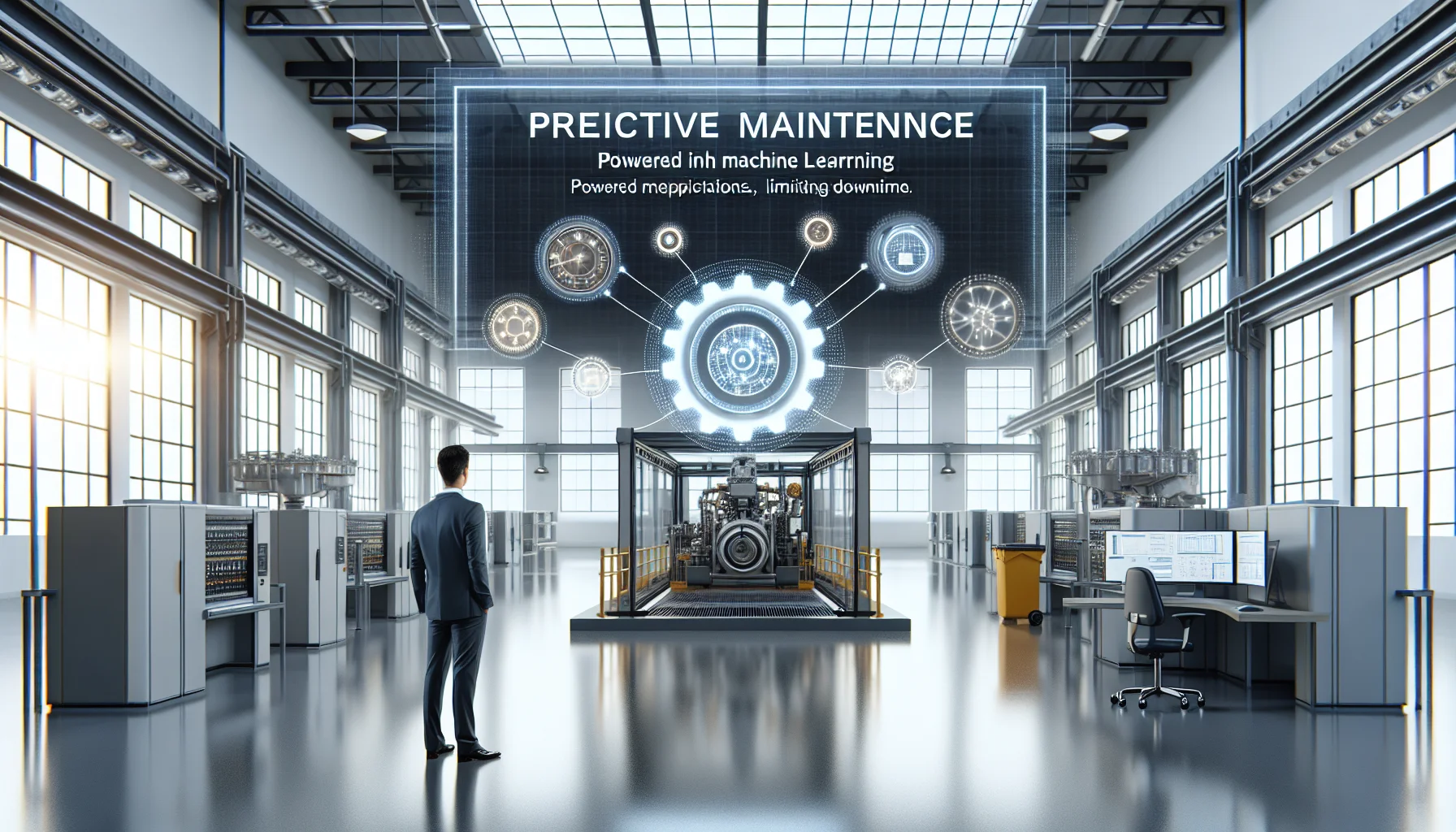
Predictive maintenance using machine learning helps industries minimize unexpected downtimes by predicting equipment failures. This approach enhances operational efficiency, reduces costs, and improves safety by leveraging data-driven insights and advanced analytics.
Has your industry experienced unexpected downtimes that drastically affected productivity? Predictive maintenance ML could be the solution to minimize these disruptions. By leveraging machine learning (ML), businesses can predict equipment failures before they occur, ensuring operations run smoothly and efficiently.
Predictive maintenance (PdM) involves monitoring equipment during operation to detect possible defects and fix them proactively. Utilizing predictive maintenance ML techniques, industries can analyze data from various sources such as IoT sensors and operational logs to forecast potential failures.
This approach contrasts sharply with traditional reactive maintenance strategies that only address issues after a failure has occurred.
Implementing predictive maintenance ML requires several key technological components:
A practical example includes a manufacturer using vibration analysis collected from sensors to predict machinery failure well before it affects production.
While conventional predictive maintenance systems may lack scalability and customization, platforms like Upscend provide a modular solution that adapts to different industrial needs, enhancing predictability and operational efficiency.
The implementation of predictive maintenance ML systems offers numerous benefits:
These benefits not only improve the bottom line but also enhance worker safety and product quality.
Many industries benefit from predictive maintenance ML, including manufacturing, energy, and transportation. For instance, a European railway operator used ML-based predictive maintenance to reduce locomotive downtime by 30%, significantly saving on costs and improving service reliability.
Despite its advantages, implementing predictive maintenance ML poses challenges:
Addressing these challenges involves strategic planning, investment in training, and choosing the right technology partners.
The future of predictive maintenance ML looks promising with advancements in AI and IoT. Industries are moving towards more autonomous systems for real-time analytics and decision-making.
Technological trends like digital twins and augmented reality for maintenance are set to redefine traditional practices, making predictive maintenance even more effective and integral to industrial operations.
As industries strive to optimize operations, reduce costs, and improve safety, predictive maintenance ML stands out as a crucial technology. By embracing these advanced analytical tools, companies can ensure higher uptime and more efficient production processes.
If you're looking to implement predictive maintenance in your operations, consider how integrating advanced ML solutions can not only foresee but also prevent potential disruptions in your production line.
The Upscend Team provides actionable insights on technology and business strategy.
Book a walkthrough and we'll show you how it applies to your own content.
 Ai
AiOctober 6, 2025
This guide delves into essential machine learning optimization techniques, including gradient descent, regularization, and hyperparameter tuning. It provides practical insights and case studies to enhance model performance and efficiency.
 Ai
AiOctober 6, 2025
Machine learning in predictive maintenance helps predict equipment failures, reducing downtime and costs. By leveraging advanced algorithms and IoT integration, businesses can enhance operational efficiency and extend equipment life.
 HR & People Analytics Insights
January 6, 2026
This article compares logistic regression, random forests, gradient boosting, survival models and scorecards for machine learning turnover prediction using LMS data. It evaluates interpretability, data needs, compute cost, temporal handling and performance, and recommends a staged approach: start simple, add ensembles for lift, adopt survival when timing matters.
 HR & People Analytics Insights
January 6, 2026
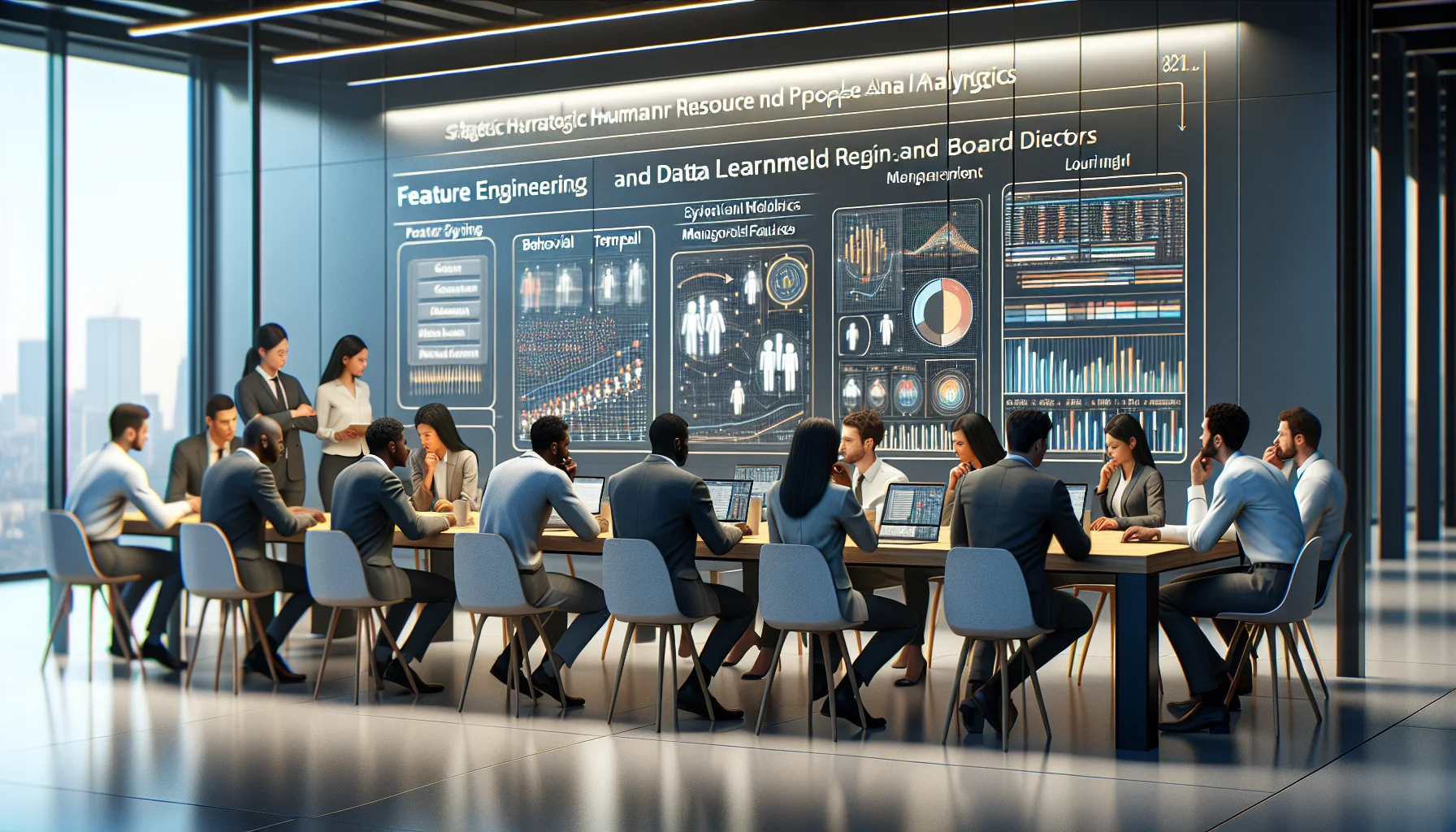
Feature engineering learning data converts noisy LMS events into interpretable behavioral, temporal, and content features that improve turnover prediction. Build recency/frequency windows, rolling trends, and cohort-normalized ratios; materialize features keyed by as_of_date. Validate with backtests, fairness stratification, and human review to ensure stable, bias-aware retention models.