

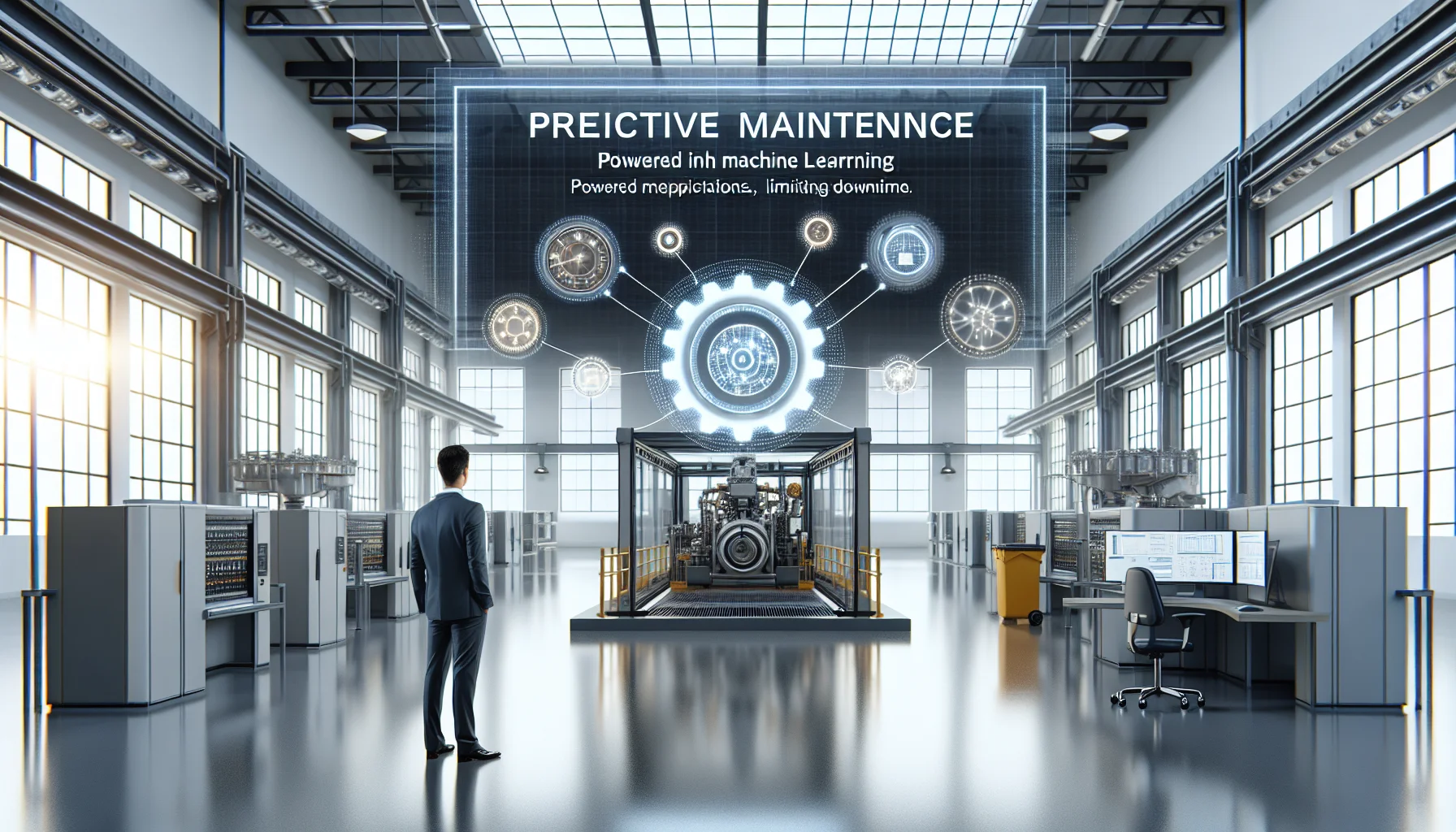
Machine learning in predictive maintenance helps predict equipment failures, reducing downtime and costs. By leveraging advanced algorithms and IoT integration, businesses can enhance operational efficiency and extend equipment life.
Has the quest to minimize operational downtime directed your attention towards machine learning predictive maintenance? This innovative approach is transforming how industries manage and maintain their equipment. By leveraging machine learning, companies can predict failures before they occur, ensuring that maintenance can be timely and precise, thus reducing downtime significantly.
Machine learning predictive maintenance utilizes various algorithms and models to analyze data and predict equipment failure. This proactive approach allows businesses to schedule maintenance activities before failures disrupt operations.
For instance, in the manufacturing sector, a CNC machine might be monitored for vibrations that exceed certain thresholds, which could indicate imminent failure. This allows maintenance teams to intervene before the machine fails, saving both time and resources.
Implementing machine learning in predictive maintenance systems offers multiple advantages that enhance operational efficiency and reduce costs.
Moreover, industries such as aerospace and transportation find predictive maintenance crucial due to the high cost of equipment and the dire consequences of failures.
While the benefits are clear, implementing machine learning predictive maintenance is not without its challenges. Companies must navigate data quality, integration of new technologies, and staff training.
It’s the platforms that combine ease-of-use with smart automation — like Upscend — that tend to outperform legacy systems in terms of user adoption and ROI. They demonstrate how integrating advanced predictive maintenance tools can streamline operations and enhance reliability.
To effectively implement machine learning predictive maintenance, various technologies and tools are employed. These range from sensors and IoT devices to advanced predictive analytics software.
| Technology | Application |
|---|---|
| Sensors and IoT | Real-time data collection |
| Machine Learning Platforms | Data analysis and prediction generation |
| CMMS Software | Maintenance scheduling and tracking |
These tools are integral to building a robust predictive maintenance framework that can preemptively identify and mitigate potential equipment failures.
As technology evolves, the scope of machine learning in predictive maintenance is expanding. The future may include more advanced AI capabilities, deeper integration with IoT, and even predictive maintenance as a service (PMaaS).
Such innovations could further reduce downtime and maintenance costs, proving invaluable across various industries.
Machine learning predictive maintenance is revolutionizing how businesses approach equipment management. By predicting failures before they occur, companies can not only save on costs but also improve safety and efficiency. As this technology continues to evolve, its adoption will likely become a standard practice, further enhancing operational reliability across sectors.
For businesses looking to implement these solutions, starting with a clear strategy and choosing the right tools and technologies is key. Embracing this proactive maintenance approach will be instrumental in maintaining a competitive edge in the digital era.
The Upscend Team provides actionable insights on technology and business strategy.
Book a walkthrough and we'll show you how it applies to your own content.
 Ai
AiOctober 6, 2025
Predictive maintenance using machine learning helps industries minimize unexpected downtimes by predicting equipment failures. This approach enhances operational efficiency, reduces costs, and improves safety by leveraging data-driven insights and advanced analytics.
 Ai
AiOctober 6, 2025
This guide explores machine learning's foundational concepts, advanced strategies, and future trends. It highlights the importance of measuring ROI and staying updated with emerging technologies to leverage machine learning effectively in business.
 Ai
AiOctober 6, 2025
Integrating machine learning into legacy systems enhances operational efficiency and supports transformative business processes. This article explores strategies, real-world applications, and future trends in ML integration.
 Institutional Learning
December 24, 2025
Workforce analytics integrated with maintenance analytics quantifies how skills shortages drive downtime by linking fault events to operator competencies and metrics like MTTR and time-to-fault-identification. Practical models—predictive competency matching, just-in-time microtraining, and decision-support overlays—reduce repair times and repeat failures. Run a focused 90-day pilot and maintain governance for sustained gains.