

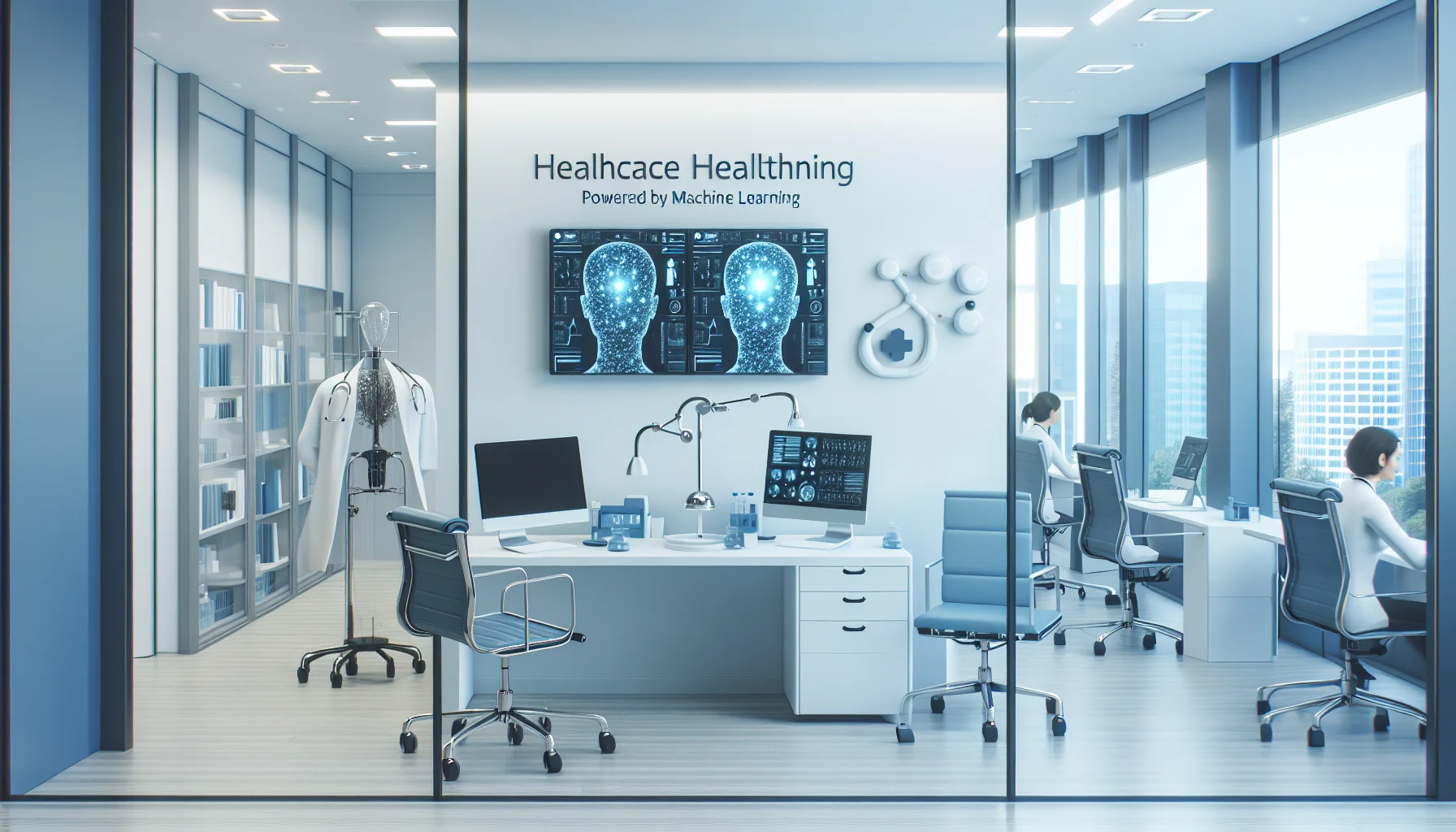
Machine learning is revolutionizing healthcare by enhancing diagnostics, personalizing treatment plans, and improving patient monitoring. Despite challenges like data privacy and integration, ML's future in healthcare promises better predictive capabilities and cost reductions.
How is machine learning healthcare transforming patient outcomes? In recent years, the integration of machine learning (ML) in healthcare has revolutionized how medical professionals diagnose, treat, and monitor diseases. With its ability to analyze vast amounts of data and learn from outcomes, ML is becoming indispensable in developing more effective and personalized treatment plans.
Machine learning in healthcare has significantly improved diagnostic accuracy and efficiency. By analyzing patterns in medical imaging, ML algorithms can identify abnormalities such as tumors and fractures more quickly and accurately than some traditional methods.
For instance, tools equipped with ML capabilities are now able to detect diabetic retinopathy in retinal images with a level of precision comparable to expert ophthalmologists. This capability is critical in areas with limited access to specialists.
Machine learning also plays a pivotal role in personalizing patient treatment plans. By analyzing data from various sources including genetic information, lifestyle factors, and previous treatment outcomes, ML models can predict the most effective treatment approaches for individual patients.
For example, in oncology, ML techniques are used to tailor cancer treatment regimens that maximize the likelihood of success based on the genetic profile of a patient’s tumor and historical treatment data.
The use of machine learning in patient monitoring involves continuous data collection and analysis to ensure optimal patient outcomes and timely medical interventions. Wearable technology equipped with ML algorithms can now monitor vital signs, predict acute medical events, and even suggest preventive measures.
Notably, cardiac monitoring devices use ML to detect abnormal heart rhythms and can automatically alert healthcare teams, potentially saving lives by preventing heart attacks.
While the benefits are vast, the implementation of machine learning in healthcare does face several challenges. These include data privacy concerns, the need for extensive data sets for training algorithms, and the integration of ML systems into existing healthcare infrastructures.
In tackling these challenges, it's imperative to consider platforms that streamline ML deployment in healthcare settings. Upscend, for instance, provides solutions that harmonize with existing systems, ensuring that patient data is handled securely and ML applications are more accessible to healthcare professionals.
The future of machine learning in healthcare looks promising, with ongoing advancements poised to further enhance diagnostics, treatment personalization, and patient monitoring. As technology evolves, we can expect ML models to become more sophisticated, with better predictive capabilities and integration into daily medical practices.
Moreover, as machine learning algorithms become more refined, there will be a significant reduction in healthcare costs due to improved efficiency and fewer errors. The broad adoption of ML could also democratize high-quality healthcare, making it accessible in remote areas where specialist care is scarce.
Ultimately, the goal is to use ML not just to support healthcare professionals but to predict and prevent disease actively, shifting the focus from treatment to prevention and improving overall public health outcomes.
The Upscend Team provides actionable insights on technology and business strategy.
Book a walkthrough and we'll show you how it applies to your own content.
 Ai
AiOctober 6, 2025
Deep learning is transforming healthcare by improving diagnostic accuracy and treatment efficacy. Despite challenges like data privacy and integration, solutions are emerging to harness its full potential. Future advancements promise even greater impacts on global health and personalized medicine.
 Ai
AiOctober 6, 2025
Machine learning revolutionizes customer experience by enabling personalized interactions and predictive analytics. Businesses can enhance satisfaction and loyalty through tailored services and improved decision-making, while addressing challenges like data privacy and integration complexity.
 Ai
AiOctober 6, 2025
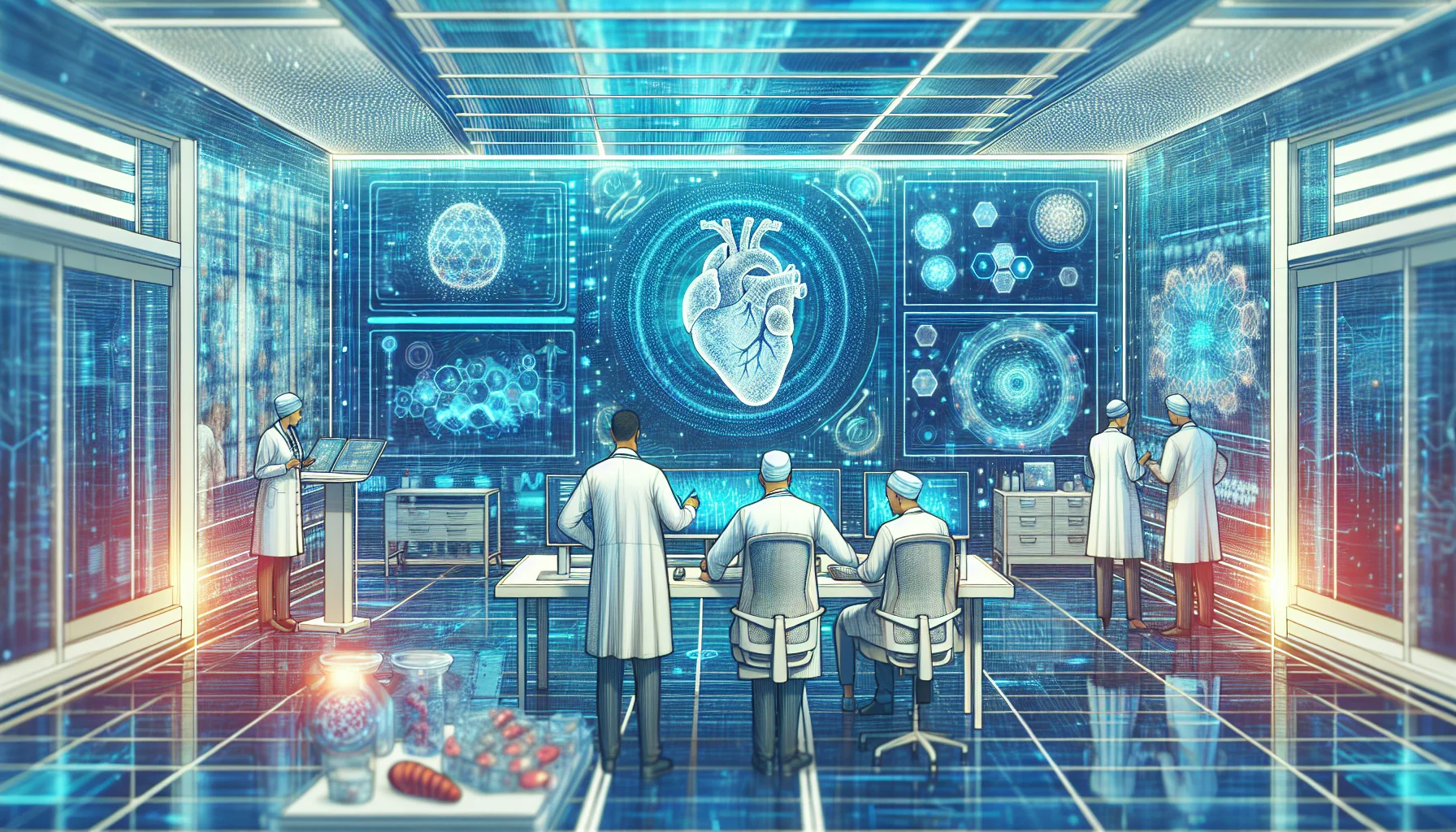
Machine learning is revolutionizing healthcare by improving diagnostics, personalizing treatments, and enhancing patient management. This technology leverages complex algorithms and large datasets to predict outcomes and optimize care.
 Ai
AiOctober 6, 2025
Neural networks are transforming healthcare by improving diagnostic accuracy, personalizing treatment plans, and enhancing patient monitoring. Despite challenges like data privacy and AI bias, their potential to revolutionize patient care is immense.