

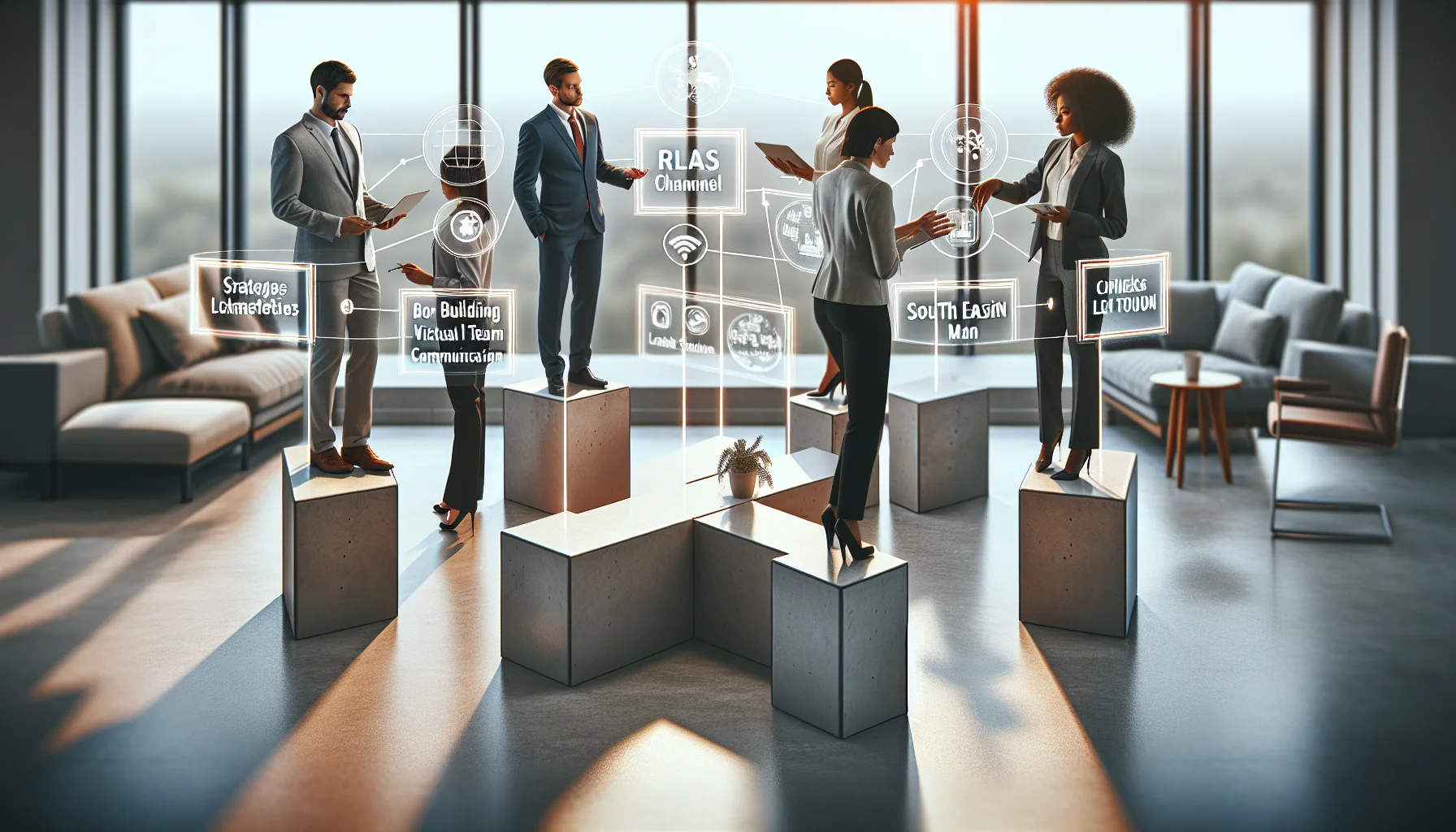
VR soft skills training uses immersive simulations to let learners practice empathy, de-escalation, and inclusive leadership in realistic, repeatable scenarios. This article covers evidence of effectiveness, business ROI, typical use cases, a pilot-to-scale implementation roadmap, vendor checklist, measurement framework, and 12-month timelines and budgets to support practical adoption.
virtual reality soft skills training uses immersive technology to recreate interpersonal scenarios so learners can practice behaviors like active listening and perspective-taking. In our experience, well-designed programs accelerate skill transfer by allowing repeated practice in realistic, safe settings. This guide explains what works, why it matters, and how to plan a practical rollout focused on empathy simulations and measurable outcomes.
Readers will get an evidence-backed overview, a business-focused ROI framework, concrete use cases across industries, an implementation roadmap from pilot to scale, a vendor selection checklist, and a 12-month adoption timeline with budget ranges. Use the downloadable checklist at the end to brief stakeholders quickly.
What is virtual reality for soft skills?
virtual reality soft skills refers to learning experiences delivered in VR that simulate emotionally charged or interpersonal scenarios to build behaviors like empathy, conflict resolution, and leadership communication. These programs pair scenario scripting, branching dialogues, and performance analytics to create repeatable practice cycles that traditional role-play struggles to deliver at scale.
The scope includes empathy simulations, role-reversal exercises, and scenario-based coaching that combine voice recognition, facial tracking, and story-driven prompts. Typical platforms vary from fully immersive headsets to 360° video in lower-cost viewers, but the pedagogical design — not the gadget — determines impact.
Studies show that immersive practice improves perspective-taking and retention compared with lecture alone. According to industry research, immersive interventions yield moderate-to-large effects on empathy and interpersonal skill indicators when coupled with feedback and reflection. A pattern we've noticed is that programs that integrate debriefs and facilitator coaching consistently outperform stand-alone modules.
Design + reflection + repetition = the highest transfer from simulation to workplace behavior.
Deploying virtual reality soft skills yields measurable benefits: faster ramp time, reduced classroom hours, higher learner engagement, and data-driven coaching signals. From a business perspective, empathetic communication reduces escalations, improves retention, and enhances customer satisfaction scores.
ROI overview
To create a rigorous ROI case, quantify current pain points (escalation rates, retention loss, error costs), estimate improvement percentages from pilot data, and model break-even timelines (typically 9–18 months for medium-sized deployments).
virtual reality soft skills is versatile. Below are industry-specific summaries and short case summaries to illustrate real-world impact.
Clinicians use empathy simulations to practice delivering difficult news, handling anxious family members, and managing burnout. A short hospital pilot we observed reduced patient complaints about communication by 22% within six months when VR sessions were paired with coaching.
Contact centers use immersive soft skills to simulate high-stress calls with diverse personas. One national carrier cut average handle time for escalations by 12% and saw CSAT improvements after monthly VR practice and targeted feedback loops.
Leaders practice bias-aware conversations and inclusive coaching through branching dialogues. For high-potential cohorts, repeated VR practice improved 360 feedback scores on active listening by measurable margins compared to cohorts who only received workshops.
Use-case checklist
Effective adoption follows a staged roadmap: pilot → refine → scale. The pilot should be short (6–12 weeks), clearly measured, and designed to validate assumptions about behavioral change and systems integration.
pilot stage actions: select a representative cohort, build 2–3 high-fidelity scenarios, run baseline assessments (surveys, performance KPIs), deliver VR practice, then collect post-assessments and qualitative feedback. Iterate scenario scripts based on discrepancies between observed and desired behaviors.
When evaluating suppliers, prioritize instructional design, data export capabilities, platform security, and integration with your LMS. A concise checklist helps stakeholders compare offerings objectively.
Some of the most efficient L&D teams we work with use platforms like Upscend to automate this entire workflow without sacrificing quality, pairing scenario authoring with reporting to speed pilot-to-scale decisions.
Measurement framework should include baseline → intervention → follow-up stages with mixed methods: quantitative KPIs (CSAT, conversion, incident rates) and qualitative assessments (observer rubrics, learner reflection). Use A/B or stepped-wedge designs where possible to isolate impact.
| Metric | Why it matters | When to measure |
|---|---|---|
| Behavioral rubric scores | Directly measures skill adoption | Pre, post, 3-month follow-up |
| Business KPIs (CSAT, NPS) | Links to revenue and retention | Quarterly |
| Training ROI | Cost-benefit and break-even | 6–18 months |
Common pitfalls are implementation errors rather than technology failures. Address these to de-risk projects early.
Common pitfalls & mitigation
12-month adoption timeline (high-level)
Budget ranges (ballpark)
Budgets vary by scope and fidelity. Typical three-tier estimates for a single-use-case program (50–200 learners):
Include hidden costs like device management, trainer hours, and content localization when building a total cost of ownership model. In our experience, transparent stakeholder briefs and an executive one-pager reduce procurement friction.
virtual reality soft skills programs unlock high-quality practice for empathy and interpersonal behaviors at scale when they combine realistic scenarios, facilitated reflection, and clear measurement. Start with a tight pilot, prioritize instructional design, and insist on exportable analytics that connect learning to business outcomes.
Key takeaways:
Downloadable checklist: Use the following internal checklist to brief stakeholders: needs diagnosis, target behaviors, pilot cohort, scenario list, measurement plan, vendor shortlist, TCO estimate, and rollout timeline.
Ready to build a pilot that demonstrates measurable empathy skill gains? Start by mapping one high-impact use case, identify the KPIs you will influence, and assemble a cross-functional pilot team for a 10-week run. That practical step will resolve many common stakeholder concerns about outcomes, integration, and budget justification.
The Upscend Team provides actionable insights on technology and business strategy.
Book a walkthrough and we'll show you how it applies to your own content.
 Business Strategy&Lms Tech
January 25, 2026
This article explains how mixed reality soft skills training enables realistic, scalable rehearsal for layoffs, negotiations, and empathy practice. It outlines program design—objectives, branching scripts, role rotation—and measurement rubrics. Practical pilot steps, sample scripts, case-study results, and guidance on privacy, cost, and facilitator training help HR teams implement MR programs.
 Lms&Ai
February 5, 2026
This 90-day operational playbook shows L&D and HR leaders how to implement VR empathy through a step-by-step pilot, stakeholder RACI, hardware/software selection, and facilitator playbook. It provides week-by-week milestones, budget estimates, templates, and measurable evaluation rubrics to validate scenarios and scale enterprise deployment.
Soft Skills& AiFebruary 5, 2026
This article presents an actionable 8-week virtual empathy training program for sales reps, detailing weekly modules, facilitator materials, and a 20-point evaluation rubric. It explains exercises, role-plays, adoption strategies, budgeting, and a pilot case study so teams can measure improvements in listening, emotional labeling, questioning, and close rates.
 Lms&Ai
February 5, 2026
This case study shows a 280-bed hospital used three co-designed VR empathy scenarios (handoff, medication counseling, discharge) with 20-minute immersions, 25-minute debriefs, and LMS microlearning. Pilot units recorded a 48% decline in formal complaints, an 11-point satisfaction gain, and a 34% improvement in clinician empathy over 12 months.