

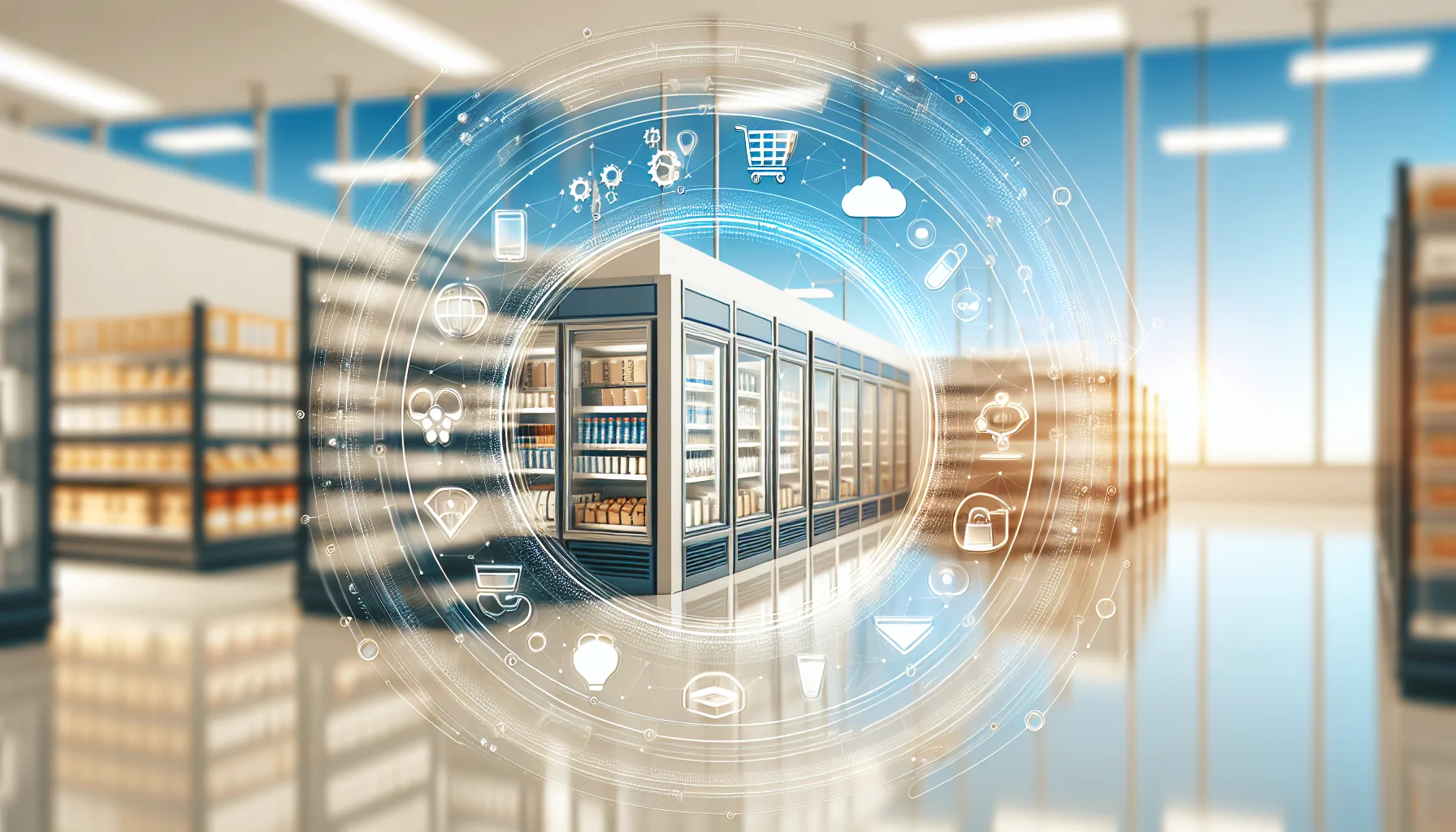
Machine learning is revolutionizing retail by personalizing customer experiences, optimizing inventory, and providing deep insights. Overcoming implementation challenges is crucial for success.
The integration of machine learning retail solutions is revolutionizing the shopping experience, transforming how businesses understand customer behavior and manage inventory. This technology not only enhances customer satisfaction but also boosts operational efficiency. Machine learning, a subset of artificial intelligence, leverages data and algorithms to predict outcomes without being explicitly programmed. In the retail sector, its applications are vast and varied, from personalizing customer interactions to optimizing supply chains.
One of the most significant impacts of machine learning in retail is the ability to offer highly personalized shopping experiences. By analyzing past purchase data, browsing habits, and customer preferences, retailers can tailor product recommendations, promotions, and even pricing to individual needs.
For instance, a fashion retailer could use machine learning to suggest outfits based on a customer’s past purchases and viewed items, effectively increasing the likelihood of purchase.
Machine learning also plays a crucial role in inventory management by predicting product demand, thereby optimizing stock levels and reducing waste. Through data analysis, algorithms can forecast sales trends and suggest appropriate stock levels for different products and locations.
This approach not only minimizes lost sales due to stockouts but also reduces the carrying cost of excess inventory, leading to a more efficient supply chain.
Machine learning tools analyze vast amounts of customer data to uncover patterns and insights that would be difficult for humans to detect. These insights help retailers make informed decisions about product development, marketing strategies, and customer service improvements.
For example, by understanding customer segments that prefer eco-friendly products, a retailer could strategically stock more of such items and market them aggressively to those segments.
While the benefits of machine learning in retail are clear, its implementation comes with challenges. Data quality and quantity, integration with existing systems, and staff training are significant hurdles.
Overcoming these challenges often requires a strategic approach, including investing in data management technologies and comprehensive staff training programs. Companies like Upscend provide solutions that streamline these processes, ensuring smoother adoption and more effective use of machine learning technologies in retail environments.
The future of machine learning in retail promises even greater integration and smarter, more autonomous systems. As technology advances, we can expect more robust predictive models, enhanced customer service bots, and even more personalized shopping experiences.
As retailers continue to harness the power of machine learning, the shopping experience is set to become more seamless and intuitive than ever before.
Machine learning is transforming the retail industry by enhancing customer experiences, optimizing inventory management, and providing deep customer insights. As retailers increasingly adopt these technologies, they stand to gain significant competitive advantages. For businesses looking to implement machine learning, focusing on high-quality data, effective system integration, and ongoing staff training will be key to success.
The Upscend Team provides actionable insights on technology and business strategy.
Book a walkthrough and we'll show you how it applies to your own content.
 Ai
AiOctober 6, 2025
Deep learning is revolutionizing retail by enhancing customer personalization, optimizing inventory, and transforming sales strategies. Despite implementation challenges, its potential for innovation and efficiency is immense.
 Ai
AiOctober 6, 2025
Machine learning revolutionizes customer experience by enabling personalized interactions and predictive analytics. Businesses can enhance satisfaction and loyalty through tailored services and improved decision-making, while addressing challenges like data privacy and integration complexity.
 Ai
AiOctober 6, 2025
Machine learning is revolutionizing financial services by improving risk management and compliance. It enhances efficiency, accuracy, and customer trust while reducing costs and operational risks.
 Ai
AiOctober 6, 2025
Machine learning is transforming retail by personalizing customer experiences, optimizing inventory, and refining marketing strategies. Retailers leveraging ML gain a competitive edge through enhanced customer satisfaction and operational efficiency.