


This guide explains why a continuous learning culture improves adaptability, retention, and time-to-skill, defines HR's stewardship model, and provides practical design, operations, and governance frameworks. It includes measurable metrics, a 90/180/365 implementation roadmap, and short case examples to help HR leaders pilot and scale role-based learning across their organization.
continuous learning culture is more than training programs—it's a strategic organizational capability that drives adaptability, retention, and performance. In our experience, companies that treat learning as a persistent, measurable business process outperform peers in time-to-skill, innovation, and employee engagement. This guide explains the strategic importance of a continuous learning culture, clarifies the HR role in learning, and gives a pragmatic roadmap HR leaders can use to build and sustain it.
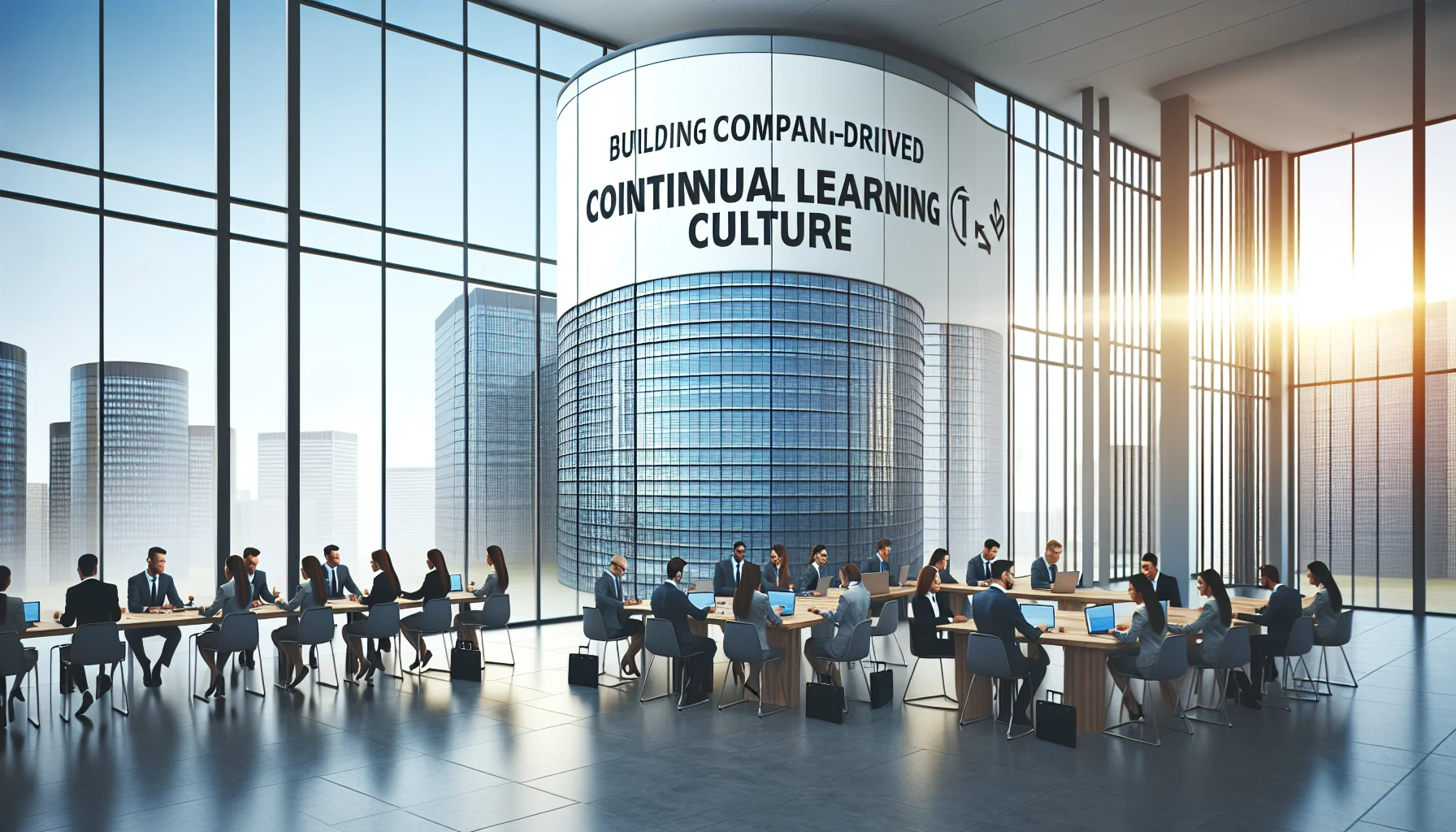
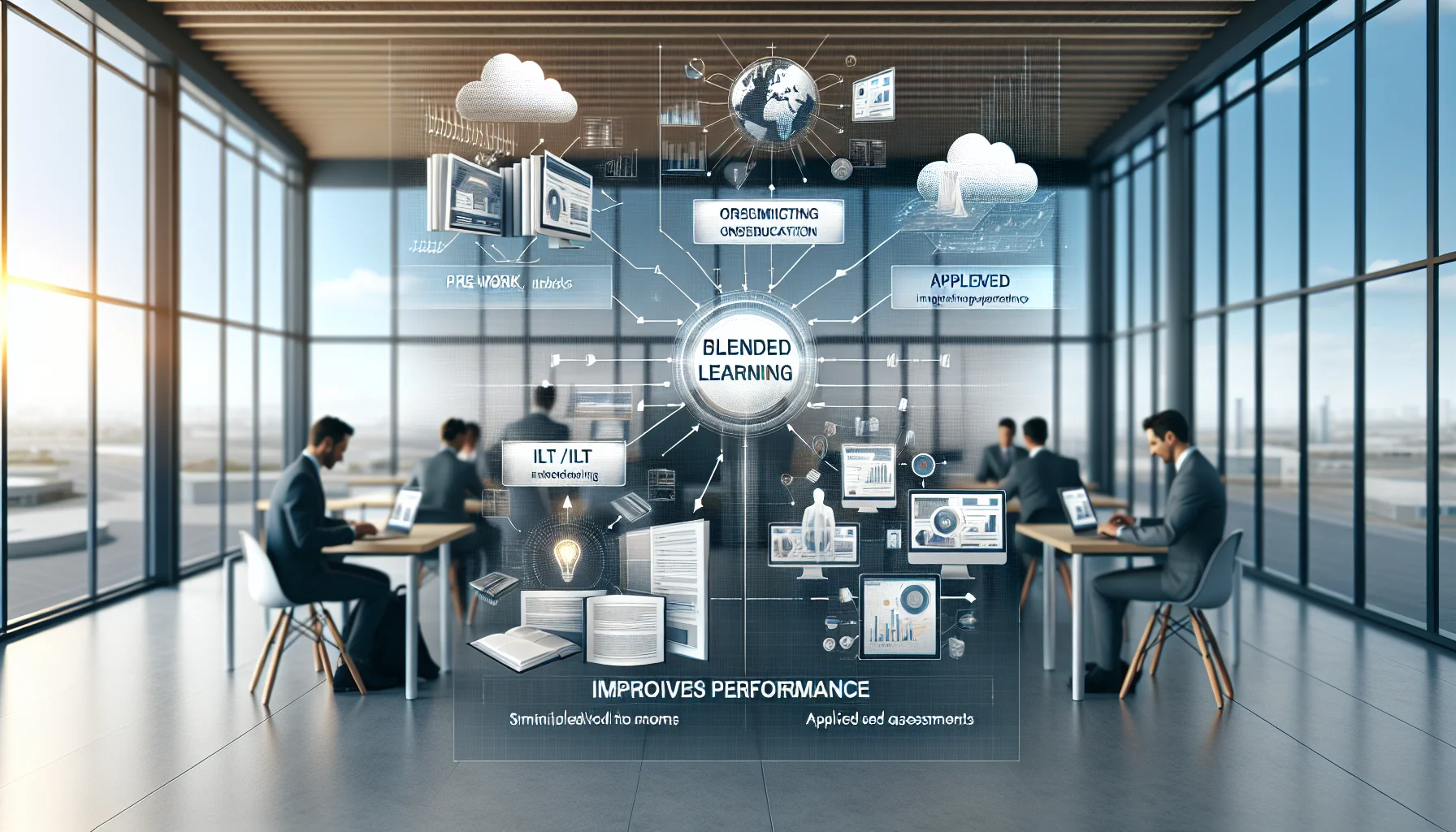
Readers will find frameworks, operational guidance, measurement approaches, governance models, and three short case examples that illustrate how a learning ecosystem scales from small business to enterprise. The visual angle emphasizes an executive-style hub-and-spoke infographic of the learning ecosystem, a strategic roadmap timeline, and clean process diagrams that map HR activities to business outcomes.
Establishing a continuous learning culture requires clear ownership and formal partnerships. HR is the natural steward, but stewardship without partnership creates isolated programs.
We've found the most effective models create a center of excellence in HR that partners with line managers, IT, Talent Acquisition, and Business Units. This structure clarifies roles: HR sets strategy, managers drive on-the-job application, IT enables delivery, and business leaders fund outcomes.
HR owns the strategy, budget lines for learning, vendor selection criteria, skills taxonomies, and evaluation frameworks. HR must also cultivate manager capability for coaching and performance conversations tied to learning.
Operationally, form a Learning Council with representatives from Finance, Operations, and Product. The council meets monthly to prioritize skills investments and review impact metrics. That cadence prevents learning from drifting into disconnected one-off projects.
Design is where ambition meets reality. A deliberate design process aligns learning investments to business outcomes and creates a sustainable foundation for an employee development culture.
Start with a skills taxonomy that maps competencies to roles and business outcomes. Pair that with career pathways that clarify lateral and vertical progression. Then build learning interventions mapped to competency gaps.
Use a three-layer taxonomy: foundational (soft skills, compliance), functional (role-based expertise), and future (emerging skills). This layered approach simplifies content curation and personalization.
Co-create pathways with hiring managers and high performers. Define milestones (skills + experience) and required learning interventions for each milestone. Make pathways discoverable in talent platforms and reference them in performance reviews.
Learning operations ties strategy to execution. It includes content curation, learning administration, vendor management, and the data infrastructure that proves impact. Centralizing operations reduces redundancy and lowers cost-per-skill.
Measurement must move beyond completions and satisfaction. Track time-to-proficiency, performance impact, retention lift, and correlation with business KPIs. A measurement framework connects learning inputs (hours, spend) to outcomes (sales, quality, speed).
While traditional systems require constant manual setup for learning paths, some modern tools (like Upscend) are built with dynamic, role-based sequencing in mind. These tools can reduce administrative overhead by automating progression rules and surfacing learning aligned to current projects and skill gaps.
Invest in learning operations like you would in finance operations: reliable processes, repeatable metrics, and automation where possible.
Primary metrics that indicate a sustainable continuous learning culture include:
| Metric | Why it matters |
|---|---|
| Time-to-proficiency | Shows speed of capability build |
| Retention delta | Indicates employee development culture strength |
Governance ensures that investments in a continuous learning culture are strategic, compliant, and equitable. Create policy around learning credits, mandatory role-based learning, and data privacy. Use scorecards to monitor program health.
Scaling requires a playbook. Standardize content templates, reusable competencies, and a vendor evaluation rubric. Automate role assignments and reporting so growth doesn't multiply administrative work.
Small business (10-50 people): A marketing services firm built a peer-led learning circle and monthly demo days. With minimal budget, HR focused on manager coaching and a simple skills checklist. Result: improved client delivery speed and a clear promotion path.
Mid-market (200-1,000 people): A software company defined a three-layer taxonomy and invested in a learning operations role. They measured time-to-proficiency and cut onboarding ramp by 30% through role-based learning paths and project-aligned microlearning.
Enterprise (5,000+ people): A global manufacturer implemented a Learning Council, standardized career frameworks, and centralized reporting. They used a hub-and-spoke model—corporate L&D provides curriculum, business units adapt delivery—and reduced redundant vendor contracts by 40%.
Below is a focused roadmap HR can execute to move from intent to scale. Each milestone blends governance, operations, and behavior change.
- Create a cross-functional Learning Council and secure executive sponsorship.
- Pilot a skills taxonomy for two priority roles and build simple role-based learning journeys.
- Define three impact metrics (time-to-proficiency, participation rate, retention lift) and baseline them.
- Launch a centralized learning operations function and standardize content templates.
- Roll out manager enablement for coaching and performance-linked learning conversations.
- Integrate at least one learning platform with HRIS to automate assignments and track progress.
- Scale career pathways across major job families and automate role-based progression rules.
- Operationalize measurement: quarterly impact reviews tied to business KPIs and budget reallocation based on ROI.
- Implement governance policies, including equitable access and data privacy controls.
Organizations routinely face four barriers: limited budget, manager buy-in, measurement challenges, and remote workforce fragmentation. Each requires tailored tactics.
With limited budgets, prioritize role-based microlearning and peer-led cohorts that scale without heavy vendor spend. For manager buy-in, tie learning goals to performance reviews and short-term business outcomes; managers respond to demonstrated impact.
Measurement challenges are solved by focusing on a small, meaningful metric set and investing in data integrations between LMS, HRIS, and performance systems. Remote workforce barriers demand asynchronous learning options, project-aligned practice, and virtual coaching.
Managers are the multiplier. Without their daily reinforcement, even the best-designed learning journeys will stall.
Building a continuous learning culture is an organizational transformation that requires clear HR ownership, tight partnerships, pragmatic design, reliable operations, and accountable governance. We've found that starting small, measuring what matters, and scaling with automation creates sustainable momentum.
Key takeaways:
Visualize your program with a hub-and-spoke infographic of the learning ecosystem, a strategic roadmap timeline for stakeholders, and process diagrams that map HR activities to business outcomes. These visuals clarify governance and accelerate adoption.
Ready to move from strategy to action? Begin with a 90-day pilot: assemble your Learning Council, define two role taxonomies, and set three impact metrics. Use the 180/365 milestones above as your scaling plan and iterate based on real data.
Call to action: Assemble your core team this week and publish your 90-day pilot charter to start building a measurable, scalable continuous learning culture.
The Upscend Team provides actionable insights on technology and business strategy.
Book a walkthrough and we'll show you how it applies to your own content.
 Institutional Learning
December 24, 2025
Analytics reveal gaps but don't create lasting change; pairing them with a continuous learning culture — role-based sequencing, micro-practice, manager coaching, and lightweight governance — embeds skills into daily work. Measure with leading and lagging indicators and run a 90-day pilot loop to iterate and sustain behavioral change.
 Workplace Culture&Soft Skills
January 4, 2026
This article explains how to shift from compliance-driven mandatory training to a continuous learning culture. It outlines the core pillars (autonomy, psychological safety, recognition), roles for L&D and managers, technology and measurement frameworks, a 12-month timeline, sample KPIs, and practical pilot steps to create curious learners.
 Business Strategy&Lms Tech
January 27, 2026
Step through a 12-week sprint to launch a continuous learning program in 90 days. The playbook covers a single-page checklist, stakeholder RACI, a pilot design with measurable KPIs, budget template and vendor criteria. Focus on manager involvement, microlearning modules and weekly evaluation to drive engagement and scale.
HrFebruary 3, 2026
Practical playbook for HR leaders to build a learning culture through a diagnostic, five foundational pillars, and phased pilots. The article explains pilot design, communication tactics, and outcome-focused metrics (time-to-proficiency, application rate, retention lift) to measure impact and scale learning practices across large organizations.