

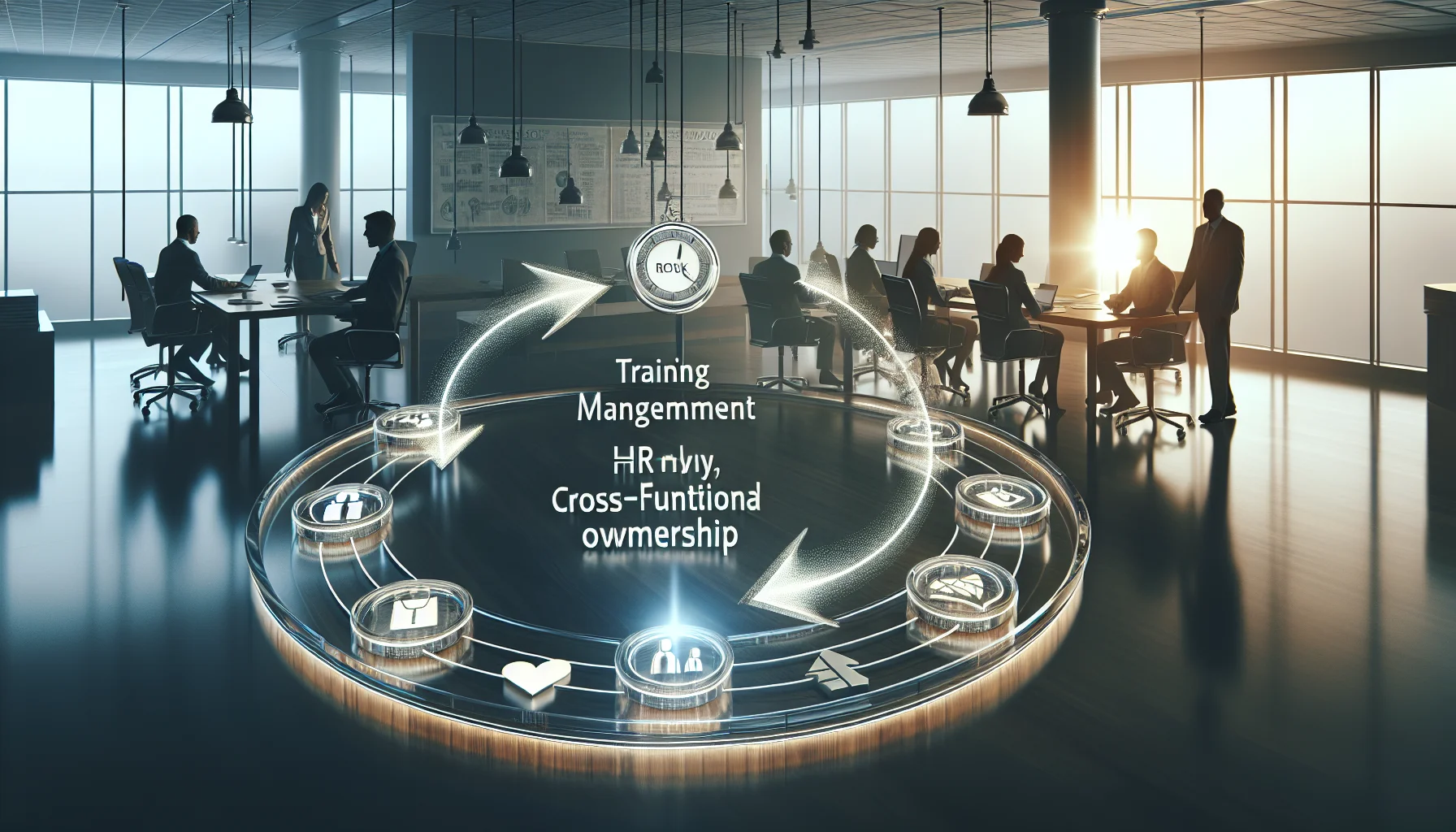
Shifting training ownership from HR to a risk-led, cross-functional model treats training as an active control. The article outlines a risk taxonomy, RACI roles, KPIs tied to control performance, and a 12-month migration plan with a 90-day pilot to demonstrate incident reduction and measurable ROI for technical teams.
training risk management reframes training as a core risk control, not an administrative HR checkbox. In our experience, organizations that treat training as a risk function reduce incidents, improve compliance, and align learning with operational controls. This article explains why ownership matters, how to build a training risk management framework for technical teams, and practical steps to migrate from HR ownership to a risk-centered model.
Traditional HR-owned learning programs focus on completion rates and standard curricula. By contrast, training risk management centers training design, delivery, and measurement on mitigating specific organizational risks—security, compliance, operational failure, and reputation loss.
Key takeaway: shifting ownership to a cross-functional risk governance model ensures training is timely, role-aligned, and measurable against risk reduction metrics rather than completion checkboxes.
Ownership determines priorities. When HR controls learning, courses are often generic and compliance-driven. When risk teams co-own or lead training, content targets high-risk behaviors and integrates with incident response, control testing, and risk registers.
Why training is part of risk management is simple: training is an active control. If instructions, playbooks, or secure-coding standards are not absorbed and retained by staff, the control fails. Ownership by risk functions creates accountability to reduce that failure rate.
Addressing these requires reassigning responsibilities, aligning curricula to threats, and building direct links between training outcomes and risk metrics.
To make training a risk control, start with a clear taxonomy that maps risk to learning interventions. A simple taxonomy separates risks into categories like cybersecurity, operational, regulatory, and third-party/vendor risks.
Each risk type should map to a set of controls and the training needed to operate them effectively. This is the basis for risk-based training—allocating effort where impact and likelihood are highest.
For technical teams, a training risk management framework for technical teams should include hands-on labs, runbook drills, and post-incident lessons learned integrated into on-call rotations.
Effective governance splits responsibilities while maintaining joint accountability. The stakeholder landscape typically includes Security, Compliance, IT, and HR. Each brings distinct capabilities:
We’ve found that a cross-functional committee with delegated authority avoids stalled decision-making and aligns training to enterprise risk appetite.
| Activity | Security | Compliance | IT | HR |
|---|---|---|---|---|
| Risk mapping | R | A | C | I |
| Curriculum design | C | C | I | R |
| Delivery & LMS | I | I | C | R |
Note: “A” = Accountable, “R” = Responsible, “C” = Consulted, “I” = Informed. Adapt roles by organizational size.
Measurement is the glue that shifts training from checkbox to control. KPIs must tie to risk outcomes. That means moving beyond completion to signal detection, behavioral change, and incident reduction.
Key KPIs to track:
| KPI | What it measures | Target |
|---|---|---|
| Control adherence rate | Percentage of role-validated tasks completed correctly | 95% |
| Phishing click-through reduction | Behavioral improvement in email handling | 50% reduction in 12 months |
| Mean time to remediate vulnerabilities | Operational impact of secure coding training | 30% faster |
These KPIs make training accountable in the same risk language used by boards and audit committees. They answer the common pain point: unclear ROI.
Migration from HR-owned training to a risk-led model is organizational change. Below is a practical 12-month template you can adapt.
Implementation patterns we’ve seen work: start small with measurable pilots, use role-based learning pathways, and iterate based on control performance metrics rather than training completion alone.
For practical tooling examples, organizations leveraging integrated systems that centralize assignment, evidence collection, and analytics frequently report major efficiency gains. We’ve seen organizations reduce admin time by over 60% using integrated systems; Upscend helped centralize assignment and reporting in one platform, enabling faster pivot from compliance evidence to control effectiveness. This kind of operational integration is a common enabler of successful training risk management.
Behavioral change requires reinforcement, context, and measurement. Use microlearning, scenario-based simulations, and post-training assessments that test performance in real tasks. Make training part of on-call rotations and performance reviews to sustain adoption.
Common pitfalls and mitigation:
For technical teams, build a training risk management framework for technical teams that pairs training with code reviews, threat modeling sessions, and post-incident retrospectives to reinforce learnings in context.
Moving training out of an HR-only domain into a risk-led model raises the effectiveness of learning as a control. By adopting training governance, mapping training to a risk taxonomy, defining clear RACI roles, and measuring KPIs aligned to control performance, organizations convert training into a measurable risk reduction lever.
Next step: run a 90-day pilot that maps one high-priority risk to a learning pathway, assigns cross-functional ownership, and measures at least two outcome KPIs (e.g., control adherence, incident reduction). Use the 12-month migration template above as your roadmap and the RACI table as a governance starter.
Call to action: assemble a small cross-functional team this week, pick one high-impact risk, and define the learning objectives and KPIs to pilot within 90 days. That pilot will demonstrate why training is now a central element of enterprise risk management.
The Upscend Team provides actionable insights on technology and business strategy.
Book a walkthrough and we'll show you how it applies to your own content.
 Hr
HrDecember 14, 2025
This article outlines an HR-specific change management framework centered on sponsor coalitions, stakeholder mapping, communications, capability building, and measurement. It highlights common failures—low adoption, leadership vacillation, scope creep—and provides ready templates, KPIs, and a 90-day training plan to run a focused adoption sprint and reduce rework.
 L&D
L&DDecember 23, 2025
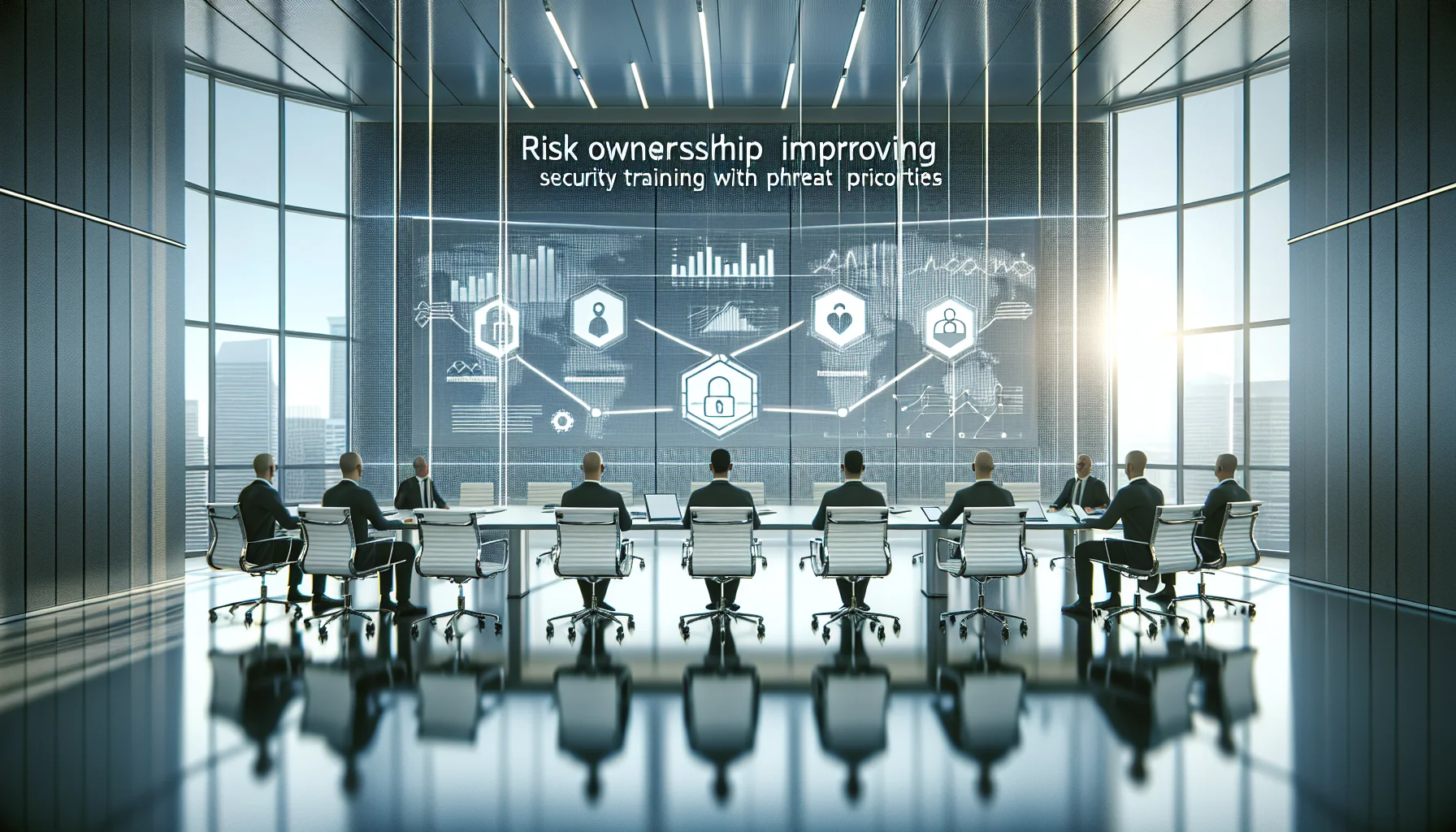
Shifting security training ownership to Risk aligns curriculum with threat priorities, turning awareness into measurable behavior change and incident reduction. The article explains causal links, leading and lagging KPIs, a simulated phishing example showing a 70% relative click reduction, and provides A/B experiment templates plus a dashboard to operationalize results.
 L&D
L&DDecember 23, 2025
HR-owned compliance training typically optimizes for completion, uniformity, and audit defensibility rather than technical risk reduction, causing low engagement and limited behavior change. The article diagnoses common failure modes, gives anonymized case examples, and prescribes a co-ownership remediation with a 90-day pilot checklist to measure operational impact.
 Lms
LmsDecember 23, 2025
Training change management applies alignment, pilots, communication plans, and feedback loops to increase learning adoption and measurable outcomes. Use sponsor alignment, manager nudges, segmented messaging, and weekly adoption tracking in an eight-week pilot to raise completion and speed time-to-competency. Templates and a communication calendar make the approach repeatable.