


This guide explores deep learning's foundational concepts, advanced strategies, and future trends. It highlights how businesses can leverage deep learning for innovation and efficiency, ensuring competitive advantage.
With technological advancements shaping industries, deep learning has emerged as a revolutionary force in artificial intelligence (AI). It transforms how businesses analyze data and automate decision-making processes. This comprehensive guide delves into the strategic framework of deep learning, ensuring you harness its potential effectively.
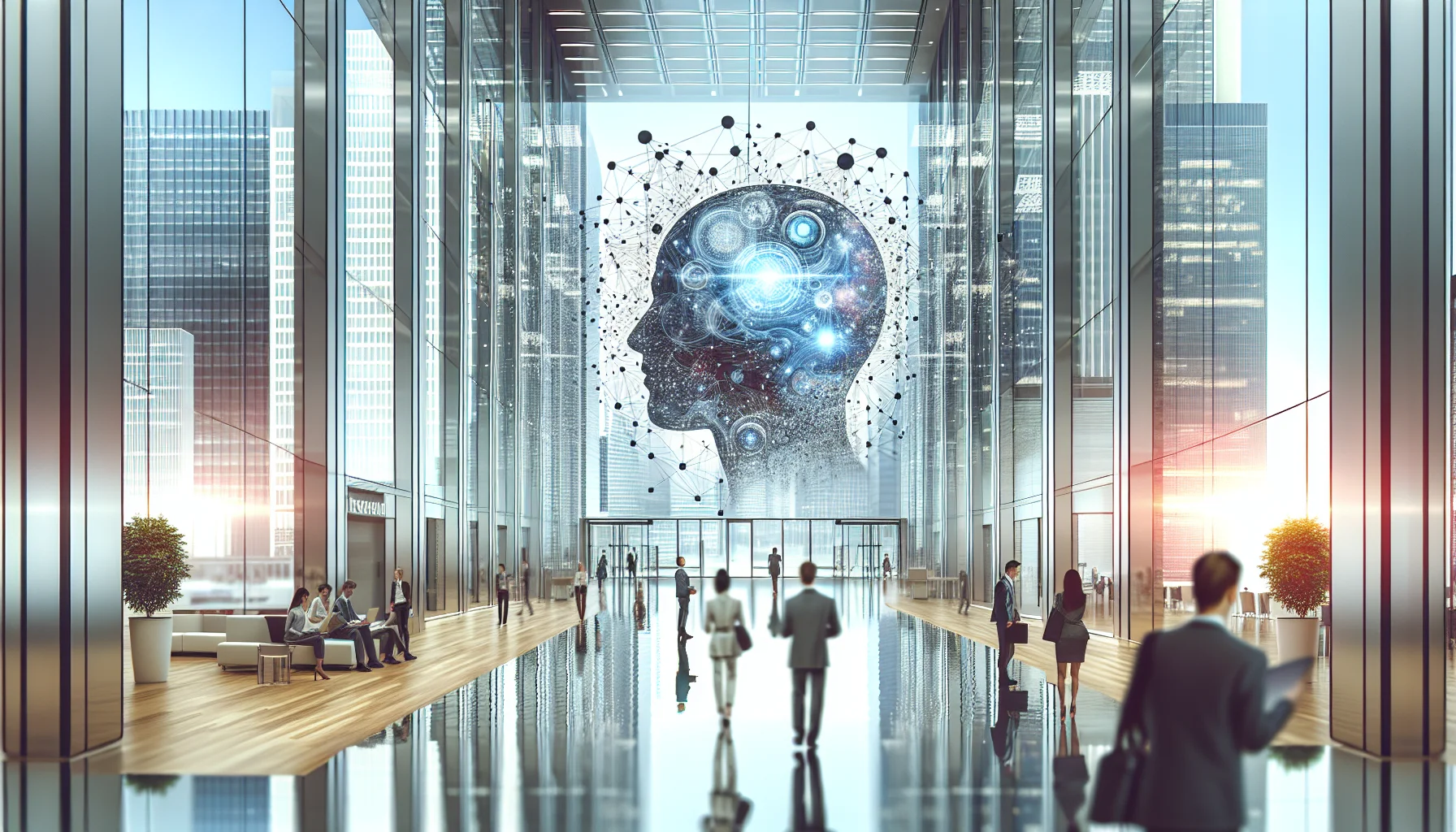
Deep learning, a subset of machine learning, utilizes algorithms inspired by the human brain's structure and function. These algorithms, known as artificial neural networks, are designed to recognize patterns and make decisions with minimal human intervention.
This foundational knowledge is crucial for understanding how deep learning can be optimized for various applications in industries such as healthcare, finance, and beyond.
To leverage deep learning effectively, advanced strategies are essential. These include data augmentation, sophisticated model tuning, and the integration of deep learning into existing IT infrastructure.
Implementing these strategies requires a robust understanding of both the technical details and the strategic implications of deep learning technologies.
Quantifying the return on investment (ROI) from deep learning initiatives is pivotal for business leaders. Metrics such as accuracy, efficiency gains, and cost savings are commonly used to measure impact.
| Metric | Description |
|---|---|
| Accuracy | Improvement in the accuracy of automated tasks compared to traditional methods. |
| Efficiency Gains | Reduction in time and resources required for data processing and analysis. |
| Cost Savings | Decrease in operational costs due to automation and improved decision-making. |
Understanding these metrics helps organizations to strategically implement deep learning to maximize its benefits and achieve competitive advantages.
The future of deep learning looks promising with several trends likely to shape its trajectory. These include advancements in AI chips, increased model interpretability, and broader ethical considerations.
As deep learning continues to evolve, these trends will significantly influence how businesses innovate and integrate AI solutions.
Deep learning offers transformative potential for businesses willing to invest in its complex, yet rewarding landscape. By understanding its foundational concepts, implementing advanced strategies, measuring its impact, and staying ahead of future trends, companies can harness the full power of deep learning to drive innovation and efficiency. Embrace these strategies to ensure your business remains at the cutting edge of technology and market competitiveness.
The Upscend Team provides actionable insights on technology and business strategy.
Book a walkthrough and we'll show you how it applies to your own content.
 Ai
AiOctober 6, 2025
Deep learning, a key AI subset, enhances data processing and decision-making. This guide covers foundational concepts, implementation strategies, ROI measurement, and future trends, offering businesses a roadmap to leverage deep learning for innovation and competitive advantage.
 Ai
AiOctober 6, 2025
This guide explores deep learning's foundational concepts, practical applications, and future trends. It highlights the technology's impact on industries like healthcare and finance, emphasizing its role in enhancing efficiency and innovation.
 Ai
AiOctober 6, 2025
Deep Learning is transforming technology by enabling machines to perform complex tasks efficiently. This article explores its basics, applications, challenges, and future prospects, offering insights into its growing impact on various sectors.
 Ai
AiOctober 6, 2025
The article explores the future of deep learning, highlighting advancements in architectures, potential industry disruptions, ethical considerations, and strategic implementation. It emphasizes the need for businesses to adapt and thrive in the AI-driven landscape.