

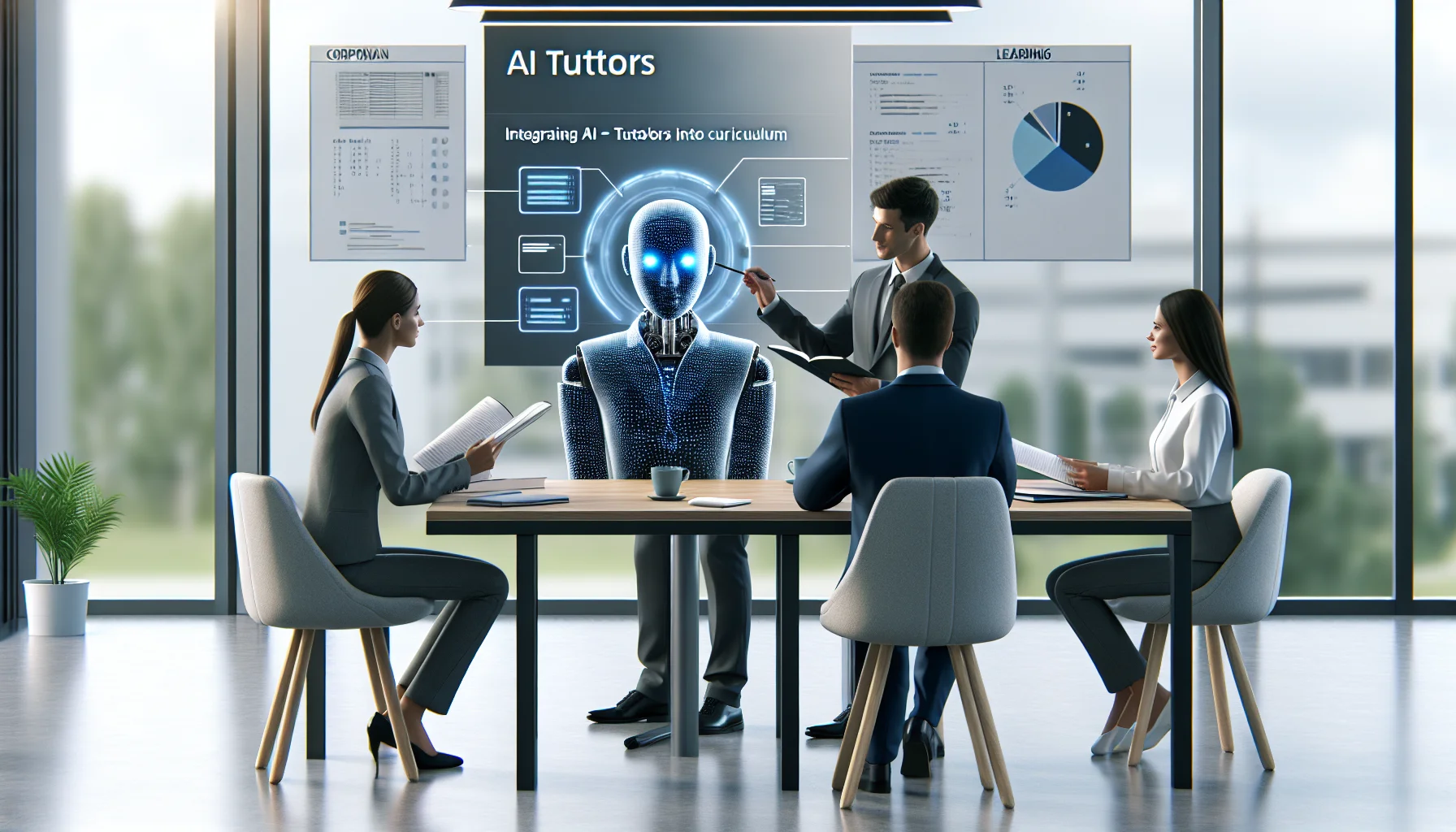
This article outlines conflict resolution trends in 2026, centering on AI-enabled coaching, microlearning conflict modules, and organizational changes for hybrid teams. It explains vendor choices, manager competencies, and gives a 3-step 90-day pilot plan with measurable outcomes to validate impact.
conflict resolution trends in 2026 center on three converging forces: powerful AI tools, bite-sized learning, and the reality of distributed work. In our experience these forces reshape not only curriculum but also measurement, manager skills, and organizational norms. This article gives a concise, practical view of the macro trends and deep dives into three pillars — technology, pedagogy, and organizational design — with vendor examples, early adopters, and a 3-step pilot plan for L&D leaders.
Three macro drivers define current conflict resolution trends: AI-enabled personalization, learning formats that respect limited attention, and structural changes in teams (hybrid and distributed). Studies show organizations that adopt focused, data-driven conflict training reduce escalations and attrition; industry benchmarks indicate faster resolution cycles and improved psychological safety scores.
These macro trends solve known pain points: vendor hype that masks ROI, difficulty measuring intangible outcomes, and budget allocation uncertainty. The rest of this piece drills into applied solutions so L&D leaders can make evidence-based choices.
The technology pillar is the most visible shift in conflict resolution trends. Three tech capabilities matter: AI coaching, realistic scenario simulation, and learning analytics that connect behavior to outcomes.
We’ve found that AI in training moves from scripted role-play to adaptive coaching that listens, summarizes, and suggests next steps. Instructors can scale practice using AI that models escalation patterns or proposes language tailored to personality profiles. The question for many teams is how AI is used in conflict resolution training so it augments human judgment rather than replaces it.
High-fidelity simulations now embed branching narratives that mirror hybrid team dynamics. Analytics tie in-session behaviors to later outcomes — fewer HR tickets, improved 1:1 ratings, or higher retention in contested teams. That capability addresses a core pain point: measuring intangible outcomes without resorting to vanity metrics.
Vendors in this space vary: some offer off-the-shelf scenarios for broad compliance, while others provide customizable engines for role-specific conflict work. Selecting the right partner requires clear measurement goals and data integration plans.
The pedagogy pillar is where instructional science meets operational constraints. Microlearning conflict techniques compress key skills into 3–8 minute modules that fit calendars and cognitive load limits. In our experience, micro-units work best when combined with structured practice and spaced reminders.
Microlearning conflict modules focus on one discrete skill (e.g., “labeling emotion,” “I-statement structure”), then push spaced prompts to rehearse. Spaced repetition moves skills from conscious corrections to habitual responses in emotionally charged moments.
Experiential design stitches microlearning into team rituals: pre-1:1 role rehearsals, pattern-checks during retros, or live coaching feeds. A pattern we've noticed is that blended experiences — micro-units plus coached practice — outperform long workshops for retention and transfer.
Many forward-thinking L&D teams we work with use platforms that automate workflows and micro-delivery while preserving human coaching quality. Some of the most efficient L&D teams we work with use platforms like Upscend to automate this entire workflow without sacrificing quality.
Technology and pedagogy are necessary but not sufficient. The organizational pillar anchors conflict resolution trends in culture: psychological safety practices, peer mediation networks, and flatter leadership models that distribute conflict-handling authority.
Psychological safety is measurable: pulse surveys, low-stakes reporting mechanisms, and duplication of safe feedback routines. Peer mediation programs train a cadre of employees to handle Tier-1 conflicts, preserving HR bandwidth and fostering ownership.
Organizations that codify small-resolution pathways (peer mediator + micro-coaching) report quicker fixes and fewer escalations than those relying solely on formal HR processes.
Distributed leadership shifts responsibility to managers and upskills team leads on facilitation and restorative techniques. These changes require new competencies that L&D must design for and measure.
Early adopters of these combined approaches include tech companies with distributed teams, healthcare systems, and consulting firms where conflict frequency and stakes are high. Vendors vary by focus: simulation specialists, microlearning platforms, or analytics-first providers.
| Old method | New method (2026) |
|---|---|
| Day-long classroom workshops | Micro-modules + AI coaching + simulation |
| Annual refresher courses | Spaced practice + performance nudges |
| HR-managed escalations | Peer mediation + distributed facilitation |
Manager competencies will shift in predictable ways. By 2026, managers need stronger facilitation, data literacy to read coaching dashboards, and the emotional agility to apply micro-practices in live settings. We’ve found organizations that train managers on simple measurement interpretation and coaching scripts see faster adoption.
Vendor selection should prioritize integration (LMS/HRIS), measurable outcomes, and the ability to customize scenarios for hybrid team conflict. Beware vendor hype: ask for a pilot that defines success metrics up front and includes a roadmap for data handoff to people analytics teams.
Below is a compact, practical pilot plan focused on overcoming budget and measurement concerns while validating value quickly.
Common pitfalls to avoid: over-buying from a single vendor before proving impact, under-investing in facilitator training, and treating AI outputs as definitive rather than advisory. Budget allocation advice: shift a small percentage (5–10%) from large annual workshops to continuous micro-investments that can be scaled if the pilot shows ROI.
Conflict resolution training trends in 2026 will be less about one silver-bullet technology and more about integrated systems: AI-enabled coaching, targeted pedagogy like microlearning conflict, and organizational practices that distribute responsibility. Start small, measure what matters, and align pilots to business outcomes.
For L&D leaders: prioritize pilots that combine one technological capability (AI coaching or simulation), one pedagogical change (microlearning + spaced practice), and one organizational tweak (peer mediation or leader facilitation). That three-part alignment reduces vendor risk, controls budget, and yields measurable changes within 90 days.
Next step: Choose one team, set two outcome metrics, and run a 90-day micro-pilot. That focused experiment will produce the data you need to scale confidently.
The Upscend Team provides actionable insights on technology and business strategy.
Book a walkthrough and we'll show you how it applies to your own content.
 General
December 14, 2025
Practical steps to implement employee conflict resolution: use a Triage→Mediate→Monitor framework, structured conciliatory conferences, and mediator techniques (active listening, reframing, caucuses). The article includes templates, training recommendations, KPIs to track (incident frequency, time-to-resolution, recurrence) and case studies showing resolution time falling from 28 to 9 days and improved perceived fairness.
 Workplace Culture&Soft Skills
January 5, 2026
This article compares leading conflict resolution frameworks (TKI, IBR, restorative practices), explains hybrid-specific adaptations, and gives decision criteria, sample scripts, and a six-week pilot plan. It contrasts TKI's speed with IBR's relational repair and recommends combining style-aware and interest-based approaches for resilient hybrid dispute systems.
 Business Strategy&Lms Tech
January 25, 2026
A conflict resolution online course is effective for low-to-medium intensity workplace conflicts, skills-building, and scaling consistent practice across distributed teams. It succeeds when combined with scenario-based microlearning, live role-plays, short coaching, and manager reinforcement. Escalate to in-person mediation for harassment, high emotional intensity, or legal risk.
Business Strategy&Lms TechJanuary 27, 2026
This article evaluates the top six conflict resolution platforms for managers, comparing features, pricing tiers, and ideal organization sizes. It offers a buying guide, pilot checklist, case highlights, and negotiation tips to help teams run 60–90 day pilots and measure impact.