


This guide delves into the integration of AI in business, covering foundational concepts, advanced strategies, and ROI measurement. It highlights future trends and the strategic advantages AI offers in enhancing business operations and decision-making.
The integration of Artificial Intelligence in Business is transforming corporate landscapes, enabling companies to leverage data-driven insights for strategic decision-making. This guide explores the foundational concepts, advanced implementation strategies, and measures the ROI of AI technologies in the business sector.
Understanding the core principles of AI is crucial for its successful application in business environments. AI technologies, such as machine learning, natural language processing, and robotics, drive efficiencies and innovation across various sectors.
These technologies not only streamline operations but also provide strategic advantages by enhancing personalization and improving predictive analytics.
Deploying AI in business requires a structured approach to integration, scalability, and management. Key strategies include:
Companies like Upscend illustrate the successful deployment of AI tools, utilizing advanced analytics to enhance user experiences and operational efficiency.
Quantifying the ROI from AI investments is essential for business leaders. Metrics to consider include:
Effective measurement of these metrics ensures businesses can understand the value brought by AI technologies, guiding future investments and strategies.
The future of AI in business points towards more personalized, anticipatory, and efficient operational models. Emerging trends include:
Understanding these trends will help businesses stay ahead in a technologically evolving landscape, ensuring competitive advantage and sustainability.
As businesses continue to navigate the complexities of Artificial Intelligence, the strategic integration of AI technologies plays a crucial role in maintaining competitive edges and driving innovation. By understanding foundational concepts, applying advanced strategies, measuring impact, and staying abreast of future trends, companies can harness the full potential of AI in business.
To further explore how AI can transform your business operations and strategies, consider engaging with platforms that specialize in AI implementations and solutions.
The Upscend Team provides actionable insights on technology and business strategy.
Book a walkthrough and we'll show you how it applies to your own content.
 General
September 18, 2025
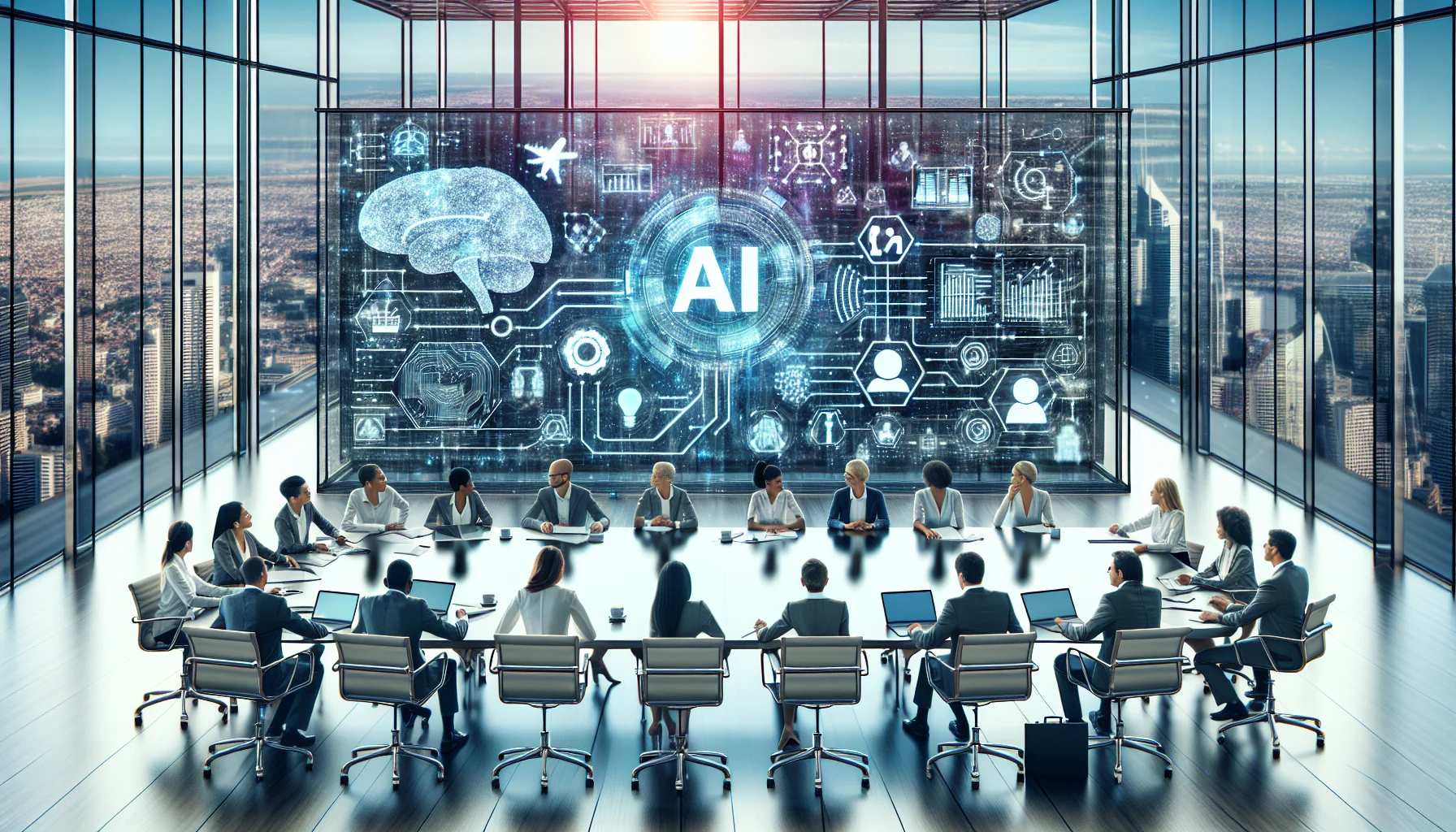
Artificial intelligence is revolutionizing B2B marketing by enabling personalized strategies, improving ROI measurement, and predicting future trends. Businesses can leverage AI to enhance customer interactions and drive growth.
 General
September 21, 2025
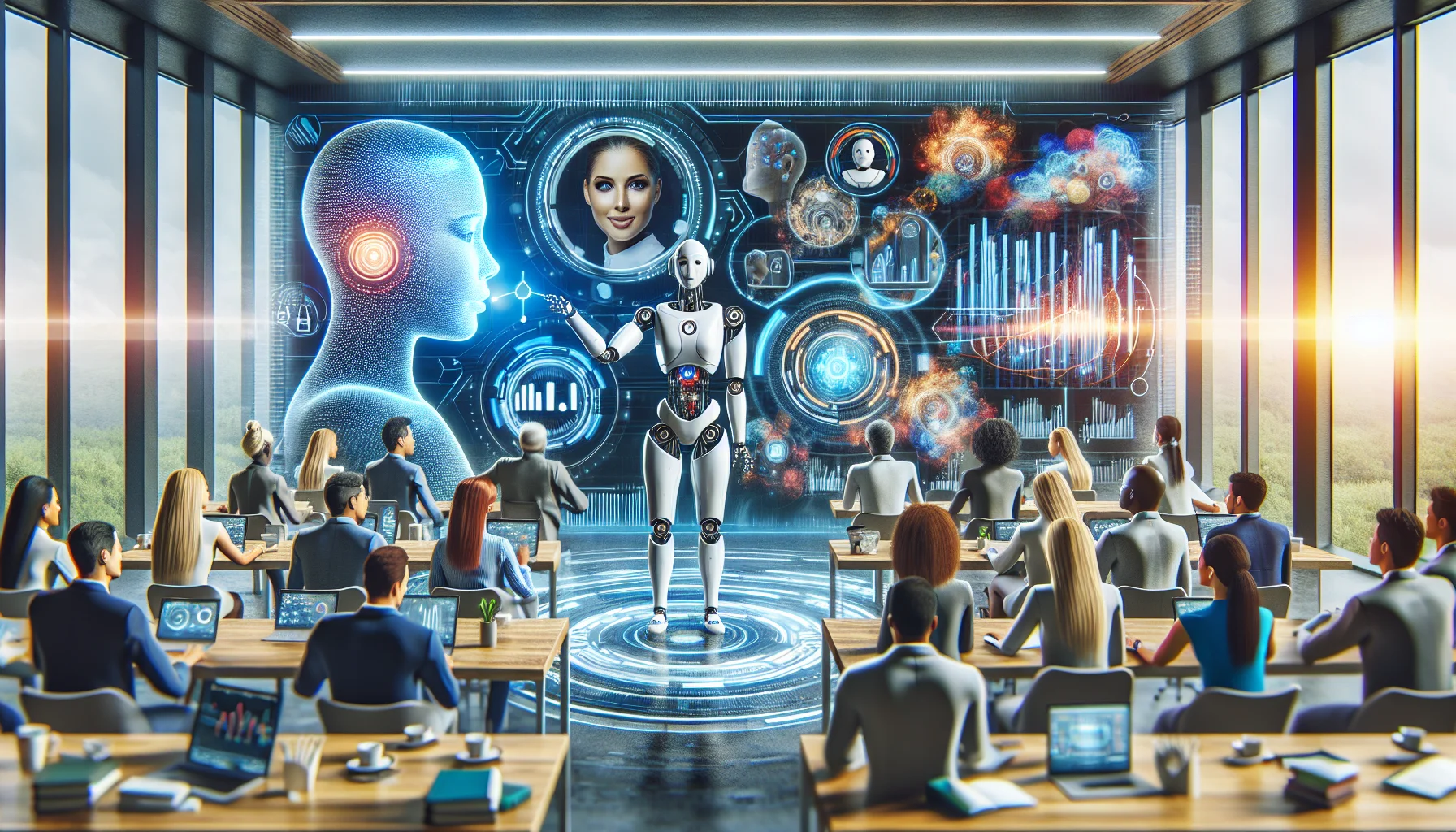
AI is transforming corporate learning by personalizing training and providing actionable insights. This evolution enhances employee engagement and aligns with business goals, preparing the workforce for future challenges.
 Ai
AiSeptember 22, 2025
AI is revolutionizing business operations by enhancing decision-making and operational efficiency. This guide explores strategic AI implementation, customer experience enhancement, and future trends, while addressing potential risks and challenges.
 General
October 6, 2025
AI LLMs are transforming business operations by automating customer service, enhancing data analysis, and personalizing experiences. This article explores their strategic implementation and addresses integration challenges.